

Transforming Education: The Power of Early Intervention

Prevention is Better than Cure: A New Approach to Education
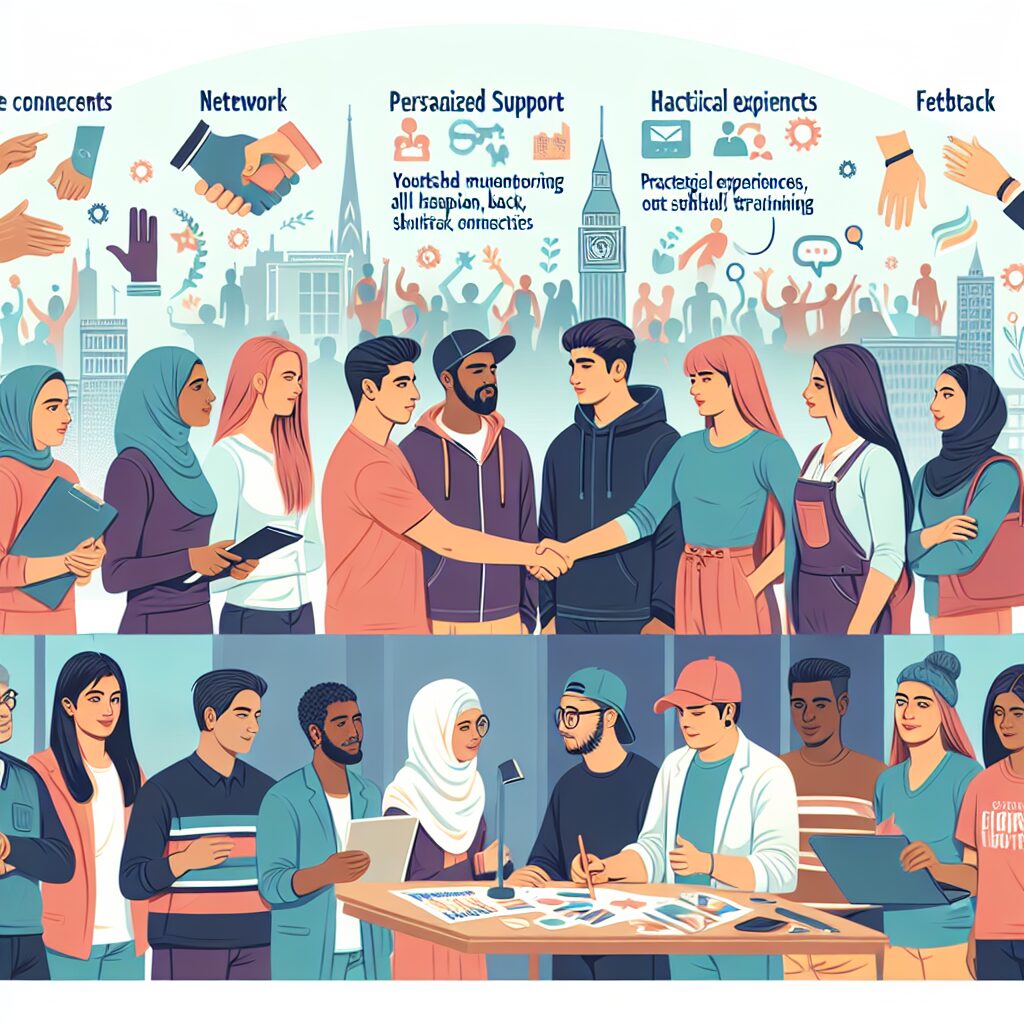
Picture this: a room filled with passionate educators, youth workers, and innovative thinkers, all gathered to discuss a groundbreaking idea around the phrase “Before NEET”. It sounds serious, doesn’t it? But if you ask me, the atmosphere at the AELP Beyond NEET Summit this week was anything but heavy. It was buzzing with hope, energy, and a deep commitment to transforming the educational landscape for young people.
The essence of the discussion revolved around a simple yet powerful notion: prevention is far more effective than waiting to react. This philosophy doesn’t just apply to heath; it needs to be embraced wholeheartedly in education as well. Why wait until young people drift into a state of disengagement when we can intervene early? At City Skills, we are firm believers in proactive strategies. If we want to create meaningful pathways for our youth, we must start addressing potential issues before they escalate.
Why Early Intervention Matters
Now, you might wonder, why is early intervention so crucial? For starters, engaging with young people before they face crisis points can keep them motivated and focused on their futures. In our discussions, it became clear that many young people slip through the cracks simply because we wait too long before stepping in. It’s like spotting a leak in a dam; the longer you wait to fix it, the bigger the mess.
Consider this: the educational system is often set up to react rather than prevent. The traditional methods focus on responding to dropouts or disengaged students. But what if we took the initiative to keep learners engaged from the outset? That’s the kind of shift we need.
- Proactive Engagement: Develop programmes that connect with students early on, helping them set goals and navigate their pathways.
- Tailored Support: Everyone learns differently. By identifying individual needs, we can create tailored strategies that resonate with each student.
- Community Collaboration: For lasting impact, we need diverse voices. Bringing together experts from various fields can spark innovative solutions.
Creating Pathways Before They Need a Map
If there’s one thing I love about the work we’re doing at City Skills, it’s the collaboration that goes on across different sectors. I’ve seen firsthand how a combination of expertise leads to the creation of effective pathways. When teachers, business leaders, and youth organisations work together, we can craft real solutions that support learners before they ever consider dropping out.
During the summit, a particular anecdote stood out to me. One of the speakers shared how a small initiative in an underprivileged area helped young boys and girls channel their interests into practical skills workshops. It wasn’t just about academics; it was about discovering passions, building confidence, and finding community support. By the end of the programme, participants were not only better equipped for real-life challenges but filled with dreams for their futures.
Advocating for Change Together
As we wrapped up our discussions, it struck me that the need for change is palpable. Sure, we’ve made strides, but the journey doesn’t end here. How can we collaborate to ensure every young person receives vital support before they reach an educational crisis? That should be our collective mission.
Take a moment to think about it. How can you be part of this proactive movement? Whether you are in education, a parent, or simply someone who cares about the future of our youth, your contributions matter. Together, we can reshuffle the educational landscape into one that emphasises prevention and support.
Final Thoughts
In the words of a wise mentor, “The future belongs to those who prepare for it today.” Let’s start preparing today. I encourage you to reach out, share your thoughts, and get involved with initiatives that prioritise early intervention in education. Let’s create a better future for our young people—after all, prevention is indeed better than cure.
So, what can you do to make a difference today?




Responses