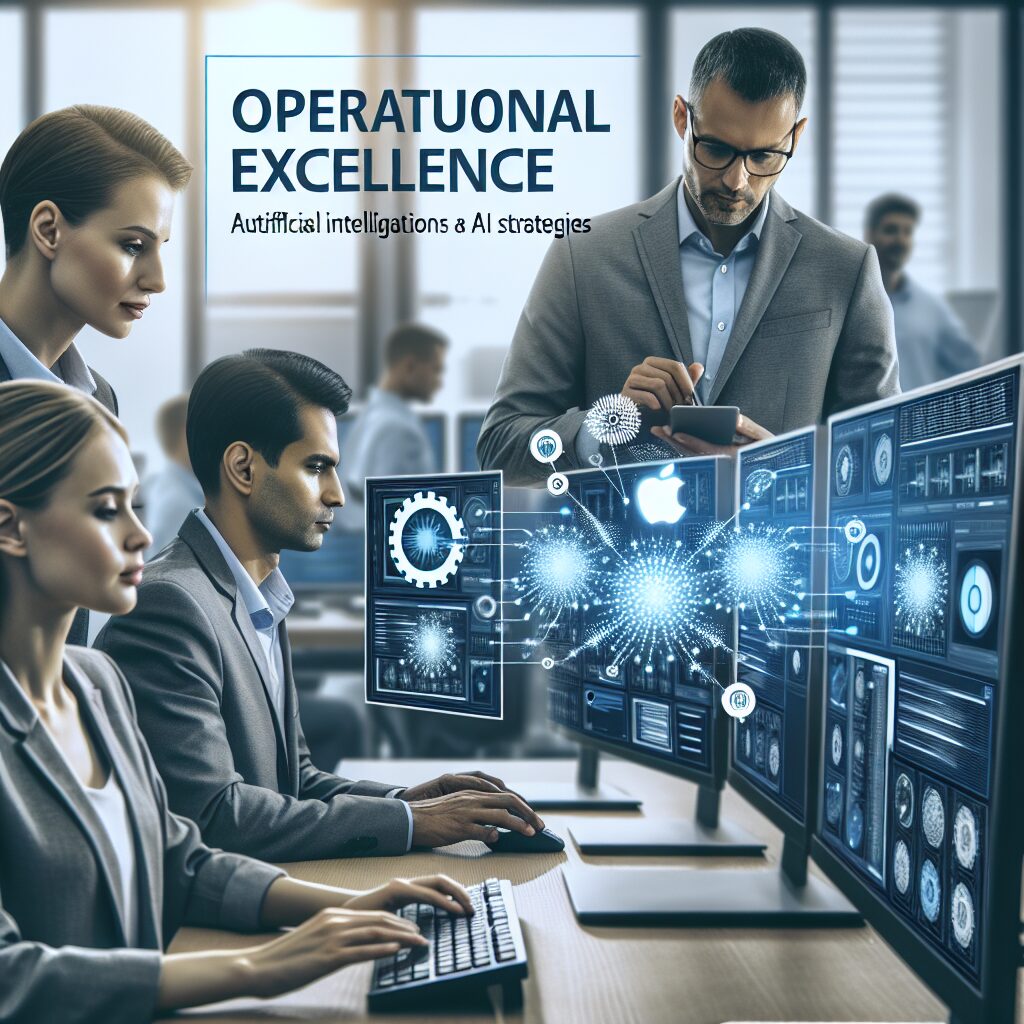
Navigating the Future: The Essential Role of Operational Excellence in the Age of AI

Operational Excellence: Not Just a Buzzword, But a Necessity
Have you noticed how often the phrase “operational excellence” gets tossed around these days? It’s almost become a staple in business conversations. Yet here’s my bold opinion: operational excellence isn’t merely a buzzword—it’s essential. As we find ourselves in a rapidly changing landscape propelled by AI, the stakes have never been higher.
Why Operational Excellence Matters
We no longer face just a race for market share. We’re racing against the very technologies that could make or break us. Stepping up our game in operational excellence can mean the difference between thriving and merely surviving. It’s about getting the foundations right and allowing the organisation to flourish in these turbulent times.
So, what exactly does operational excellence involve? It’s about refining processes, ensuring quality, and putting people at the heart of your business strategy. It encompasses everything from productivity to employee engagement and, importantly, how we embrace technology.
Insights from Ryan McCormack’s “Mixtape”
I had the pleasure of diving into Ryan McCormack’s latest Operational Excellence “Mixtape”, and let me tell you, it offers some real gems. Two insights stood out for me that I think we can all learn from.
First up is Katie Anderson’s take on jidoka in an AI world. Jidoka is all about empowering people to stop and fix problems as they arise, rather than just pushing work through a system. She raises an important question: as we embrace generative AI, are we sacrificing the development of our future leaders? It’s something to ponder. We can’t get so caught up in the tech and forget that our people are the ones driving innovation.
The Role of AI in Quality Engineering
Next, there’s a compelling piece on how Apple is automating quality engineering through AI systems. These aren’t just your typical algorithms; agentic AI systems can learn, adapt, and refine testing processes. Imagine a world where machines not only help us with the heavy lifting but also improve how we ensure quality in our products.
This could change the game entirely. However, it brings forth the challenge of maintaining a balance between leveraging AI capabilities and nurturing human leadership. As these technologies evolve, we must ensure they support rather than replace the invaluable insights and creativity that only people can bring.
Finding Balance Between AI and Human Leadership
Now, I’m not suggesting that we shy away from using AI. On the contrary, I believe we must wholeheartedly embrace it. But it shouldn’t come at the cost of our talent or our organisational culture. We need to ask ourselves tough questions, such as: How can we ensure that the integration of AI doesn’t erode our focus on developing future leaders? How do we create an environment where technology enhances rather than obscures human contributions?
During my career, I’ve seen the impact of strong leadership and the dangers of becoming too enamoured with technology. There’s a fine line between being innovative and losing sight of the people who make it happen, and I’ve learned that emotional intelligence can’t be easily programmed.
Wrap-Up: The Future of Operational Excellence
If operational excellence, leadership development, and AI integration matter to you, I wholeheartedly encourage you to check out Ryan’s mixtape. It’s packed with insights that could genuinely shape our approach to continuous improvement.
Before I sign off, let me leave you with a reflective question: How do you see the future of operational excellence evolving in your organisation? Are you ready to embrace the challenges and opportunities that AI presents?
Let’s keep the conversation going. What are your thoughts on finding the right balance between technology and human leadership?