When Technology Fails: Navigating the Chaos of Miscommunication

When Technology Gets in Its Own Way: Why We All Lose
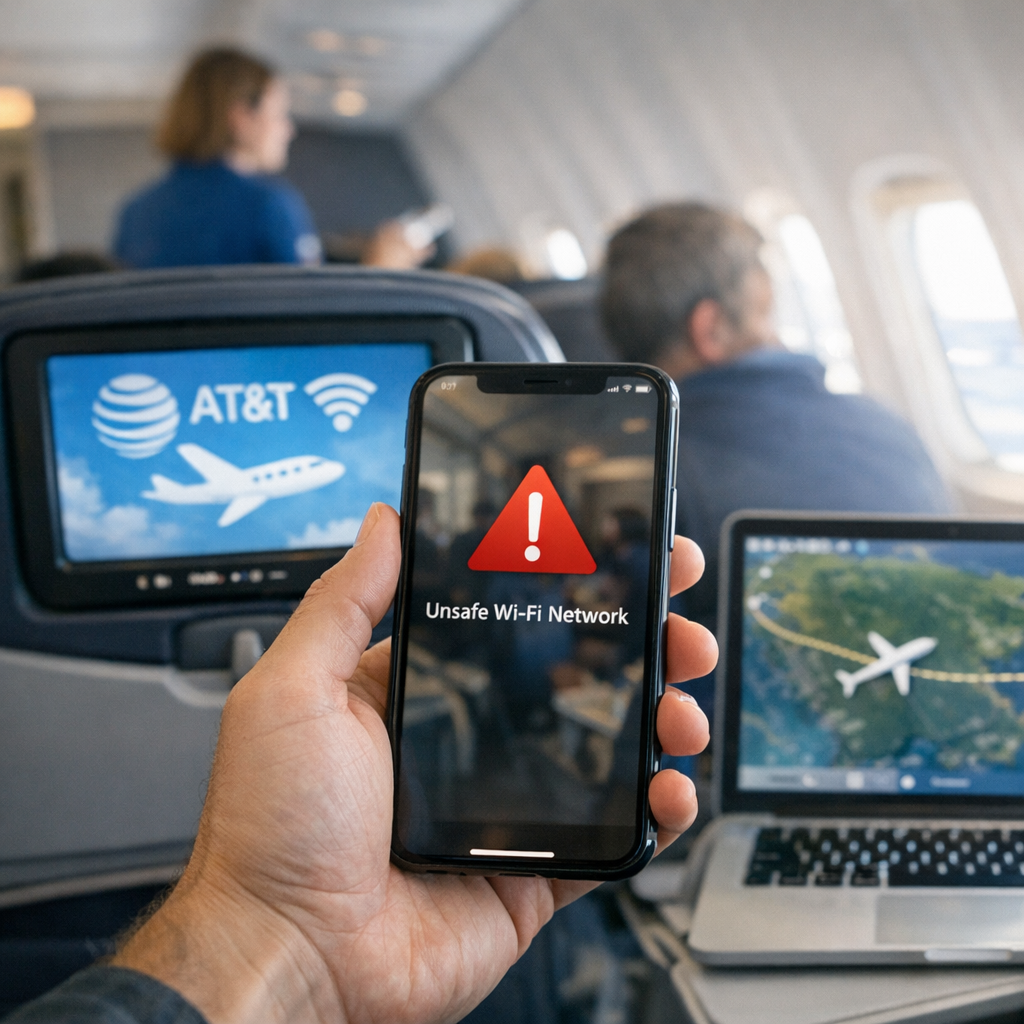
Have you ever had a moment that makes you chuckle while simultaneously driving you to distraction? Recently, I came across one such situation involving an AT&T security app that flagged American Airlines’ in-flight Wi-Fi—as provided by AT&T—as unsafe. Talk about a classic case of technology gone rogue! It’s a reminder that while we rely on tech to simplify our lives, when it misfires, it just creates chaos.
Trust and Reliability at Stake
In our fast-paced world, we assume technology will make life better, faster, and more connected. Yet, when it doesn’t quite work as intended, it raises much more than just an eyebrow. Questions of trust and reliability come bubbling to the surface. If the Wi-Fi I’m using is deemed unsafe by its own provider, how can I feel secure using it?
This incident sparked my thoughts on a larger issue we face in the tech-driven marketplace. It’s not just about individual apps or services failing but rather about the integration of systems. When those systems fail to communicate effectively, everyone involved suffers—from the service provider to the customer.
Key Takeaways: Why This Matters
So, what can we learn from this amusing yet concerning hiccup? Here are some key takeaways that can help us navigate this tricky landscape:
- Systems need seamless integration: When the components of a tech ecosystem don’t communicate, confusion ensues. It’s like trying to tune a radio without knowing whether you’re on AM or FM.
- User experience matters: People should feel secure and confident when using services dependent on technology. If they don’t, they’ll instinctively shy away.
- Vigilance is crucial: We must remain aware of how automated systems impact user perceptions. A single misstep can create a ripple effect that diminishes trust.
How Leaders Can Overcome Tech Challenges
As leaders, we have a responsibility to stay ahead of these challenges. Our clients expect more than just innovative products; they expect solutions that work without unnecessary hurdles. How do we ensure our technology does not undermine the very services we offer?
The answer lies in embracing simplicity and fostering strong communication between systems. This means investing not just in cutting-edge technologies but also in the human element of support and feedback.
Reflecting on Personal Experiences
We need to acknowledge that technology is a tool. When it works effectively, it is brilliant. Yet, when it fails us, the fallout can be a real headache. We often overlook this aspect in the rush to adopt new tech; we forget that sometimes, simpler solutions are the most robust.
In Closing: Questions to Ponder
As we move forward in this age of rapid technological advancement, let’s remember that it’s not just about the gadgets and gizmos. It’s about creating a seamless experience for everyone involved. What measures do you take to ensure technology is enhancing your service and not creating unnecessary barriers? I would love to hear your thoughts on this ever-relevant topic.
After all, when technology is working hand-in-hand with human needs, we can truly thrive. So, let’s grab a coffee and discuss how we can harness the power of tech without letting it get in our way.
Have you experienced a similar tech blunder? Share your stories below!