Unlocking Quality Control: The Power of One-Piece Flow

Why One-Piece Flow is the Unsung Hero of Quality Control
Have you ever considered that a simple change in approach could transform your entire production process? Let’s talk about one-piece flow. Many people link it solely with speed, but let me tell you—it’s a game changer for quality control too.
Imagine sipping your morning coffee and thinking about flaws in your production line. Sure, it’s easy to think that speeding things up is the key to success. But what happens when we focus exclusively on reducing inventory and lead times? We start missing something crucial: the relationship between defects and their origins. And that’s a big deal.
What Happens When We Rush?
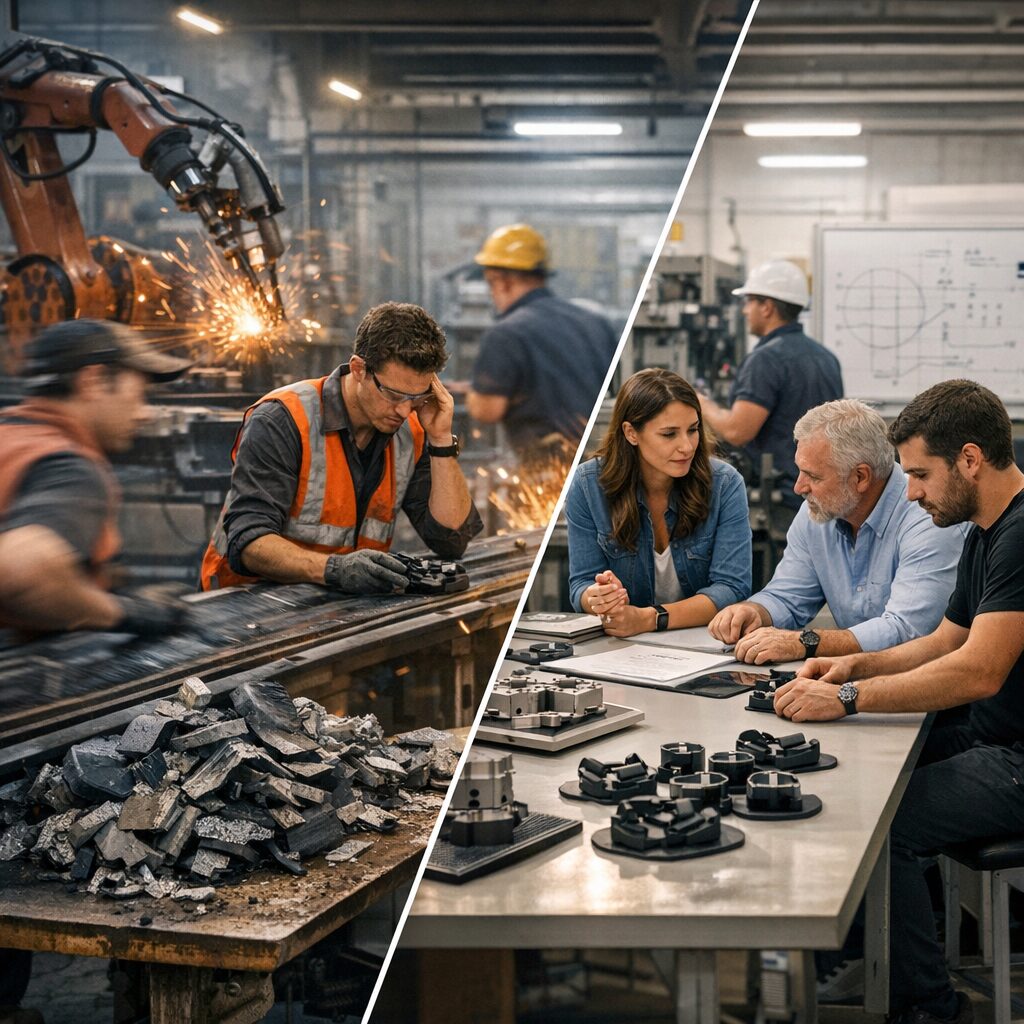
Picture this: a dedicated worker notices a defect in a product. If she can pinpoint the source—be it the person or the machine that caused it—she has a real opportunity to fix the issue on the spot. However, if there’s a backlog of ninety-nine pieces, that defect risks getting lost in the shuffle. The cause? It becomes buried, almost like a forgotten relic.
When we ignore the deeper roots of our problems, we gamble with quality. So, let’s make a change. True one-piece flow is not just about racing through tasks. It’s about creating a system that empowers teams to learn and adapt. The goal isn’t just speed; it’s about fostering a culture where issues can be spotted, understood, and resolved almost immediately.
But why stop there? Let’s dig a little deeper into how this concept works.
Fewer Steps, Greater Clarity
Now, let’s consider your team’s workflow. How much easier would it be for everyone to tackle problems if there were fewer steps in the process? If we streamline the way we work, we improve clarity and make it simpler to identify where things are going awry.
Think about it—if you have more people handling a single product, the chances of misunderstanding or error increase. Reducing that number means less chance of confusion.
Moreover, are you ensuring that defects remain close to their source for effective resolution? This is where the magic of one-piece flow really shines. When teams can remediate issues at their origin, they’re not just fixing a product; they’re enhancing the entire system.
It’s a bit like baking a cake. If you mix all your ingredients haphazardly without checking the quality, you’ll end up with a soggy mess. But if you address each ingredient as it comes—a meticulous approach—you’ll bake something outstanding.
Simplify to Amplify
Now, let’s talk about batching practices. What if these are complicating your production flow? In many cases, batching different products together feels efficient, but it can introduce complexity. Each time a batch moves along the line, it carries potential defects with it.
Instead, consider the benefits of one-piece flow. By producing one item at a time, you can isolate issues more effectively. This practice enables a smoother transition and allows teams to quickly adapt without being bogged down by accumulated problems.
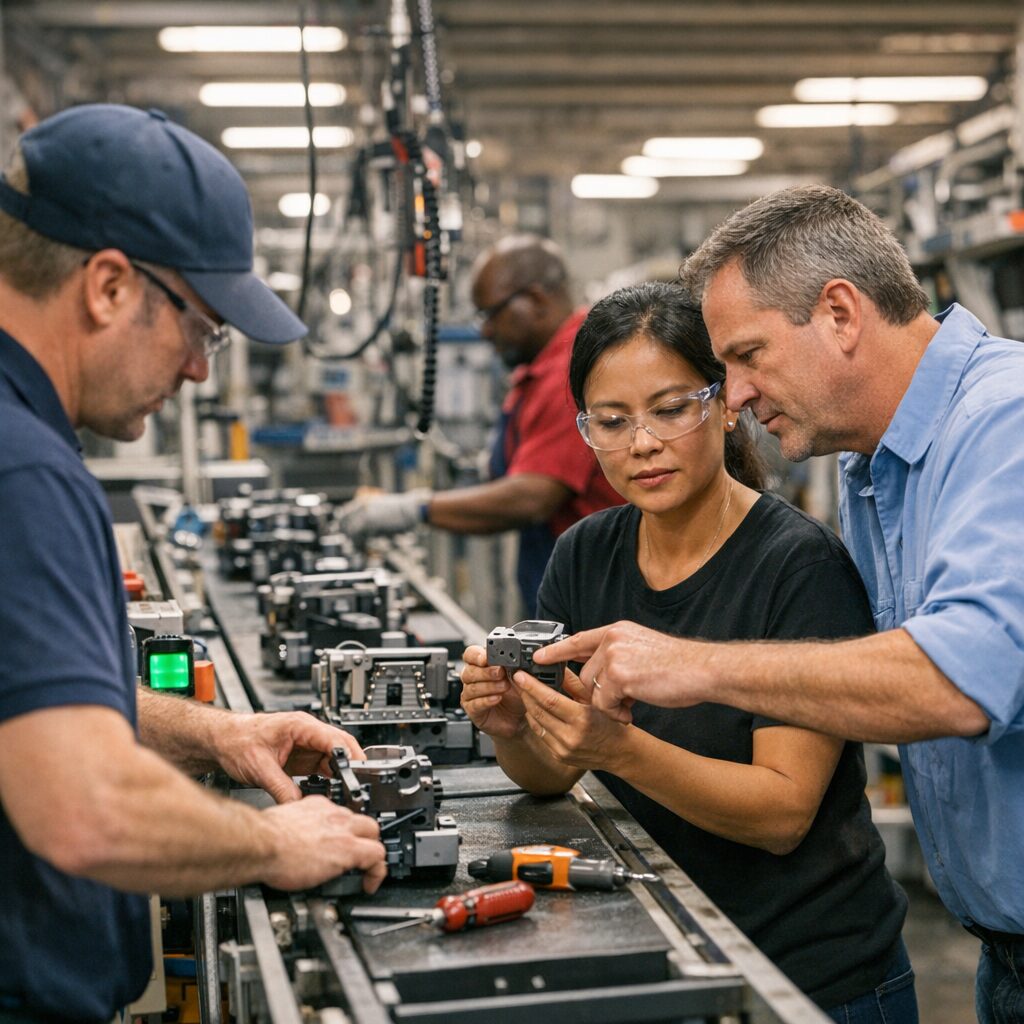
Now, here’s a little personal insight. I once visited a factory where they implemented one-piece flow, and the change in atmosphere was palpable. Suddenly, workers felt empowered; they were no longer just cogs in a machine. Instead, they became problem solvers, each one taking ownership of their contributions to the product. It’s a beautiful sight when teams are engaged in what they do, isn’t it?
So, What’s Next?
Now that you’re likely bursting with ideas, let’s pave the way for meaningful conversation. Here are a few questions to ponder:
1. How can you help your team tackle problems more efficiently by reducing steps in the workflow?
2. What practices do you have in place to keep defects close to their source for quick resolution?
3. Could there be batching practices that could be streamlined to assist your production flow further?
I genuinely believe there’s a lot to gain from sharing our experiences and insights. So, what changes can enhance your team’s problem-solving capabilities?
Let’s discuss! After all, the journey of improvement is far more enjoyable when you’ve got a supportive community backing you up. Who knows? You might discover a fresh perspective on the age-old production conundrum.
#CitySkills #OnePieceFlow #LeanManufacturing