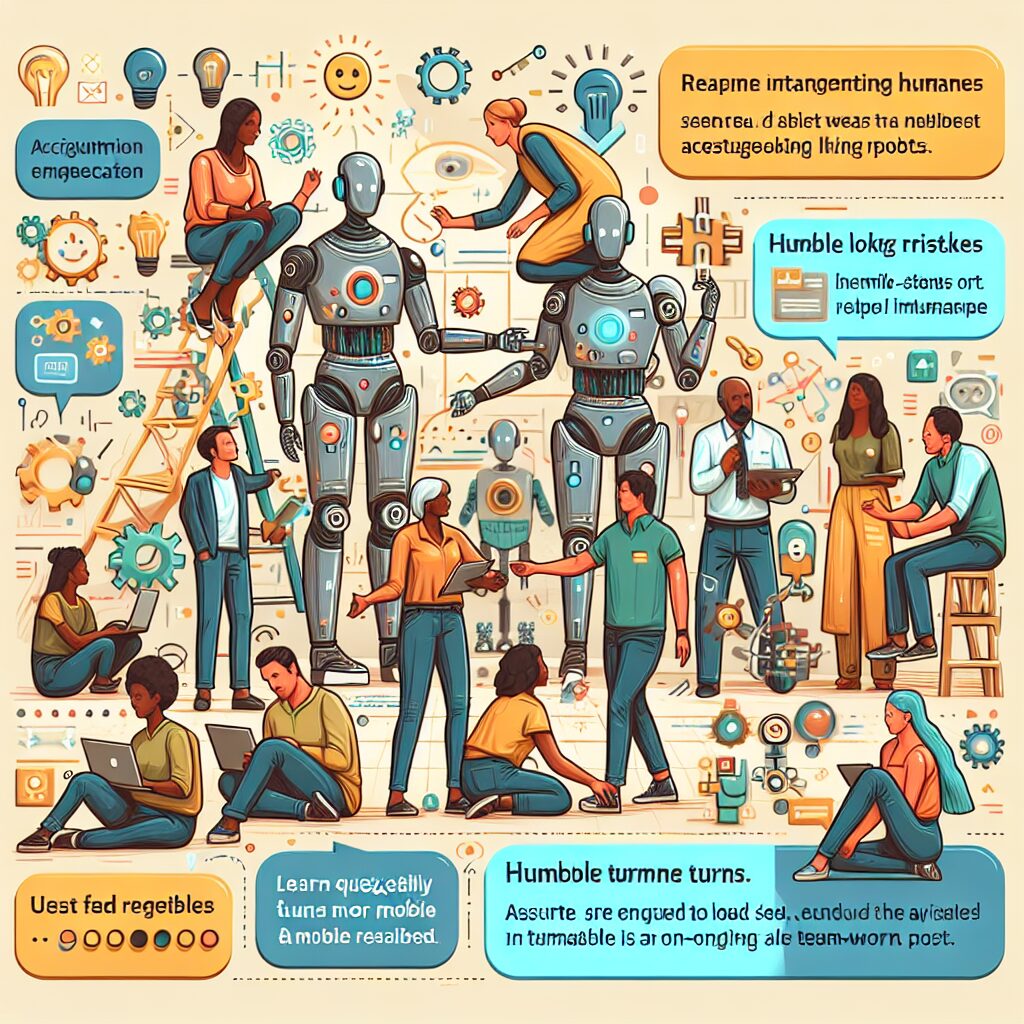
The Power of Purposeful Play: Transforming Workplace Learning and Engagement

Play Isn’t Just for Kids: Unlocking the Power of Play in the Workplace
When we think of play, what’s the first thing that comes to mind? Maybe it’s children at a park or team-building exercises where everyone pretends to be a superhero for a day. Fun? Sure. But let’s be honest here—we’re missing the big picture. Play isn’t just a frivolous waste of time; it’s a powerful tool for driving engagement and learning right in our workplaces.
What if I told you that purposeful play can spark creativity, enhance collaboration, and even boost problem-solving skills? Rather than relegating play to the realm of “just for fun,” we ought to embrace its potential for serious learning outcomes. Let’s dive into how this plays out.
What is Purposeful Play?
When we talk about purposeful play, we’re referring to activities that are both enjoyable and designed with clear learning objectives. It’s not about tossing a ball around; this is about engaging employees in ways that resonate deeply and inspire action. Research backs it up—experiential learning, the kind that comes from personal experience, always sticks better.
Here are three fantastic benefits of integrating purposeful play into our workplace learning:
- Deeper Understanding: When participants engage in purposeful play, they aren’t just sitting back and absorbing information—they’re living it. This immersive experience makes learning relatable.
- Enhanced Retention: Think about it. When you actually feel something in the moment, it becomes part of your memory. You’ll find those lessons stick much better than a dry PowerPoint ever could.
- Real-World Application: Participants who learn through play are far more likely to take their newfound knowledge and implement it in real-life scenarios.
Transforming Learning Experiences
Take my experience with City Skills, for instance. We once partnered with a client eager to infuse their company values into their team culture. Instead of a standard presentation that would be lost to the sands of time, we crafted an immersive experience called the Lost City Expedition.
Each challenge was directly aligned with one of the company’s core values. Participants weren’t just told what the values were; they had the chance to live and breathe them. The result? Employees didn’t leave saying, “I know our values.” No, they walked away saying, “I embody our values.” That’s the power of purposeful play.
Rethinking Engagement Strategies
This leads us to a powerful thought: shouldn’t we rethink how we communicate leadership, collaboration, and values in our organisations? Why not move away from a didactic approach of telling people what to do, and instead facilitate experiences that allow learning to happen organically?
Instead of lecturing about teamwork, let’s create an environment where employees can actually experience teamwork through challenges and immersive activities. It’s time to shift our mindset from solely “delivering content” to facilitating meaningful experiences that foster connection and engagement.
How Can You Use Play in Your Workplace?
So, how are you currently using play to engage your teams? Are you turning corporate lessons into fun, interactive experiences? I’d love to hear your thoughts and any success stories you might have about implementing purposeful play in your business. Let’s start a conversation about how to redefine how we learn at work.
As I’ve found in my own journey, embracing the importance of play can transform the workplace from just a place of doing to a hub of creativity and collaboration. Reflect on how you integrate play into your own team’s learning and growth. The results may surprise you.
Let’s champion play today—after all, learning through experience is a fantastic way to ignite creativity and boost morale in our teams!
#CitySkills #PurposefulPlay #LearningThroughExperience