
Tackling Overproduction: Strategies for a Leaner Business

Overproduction: The Silent Killer in Business
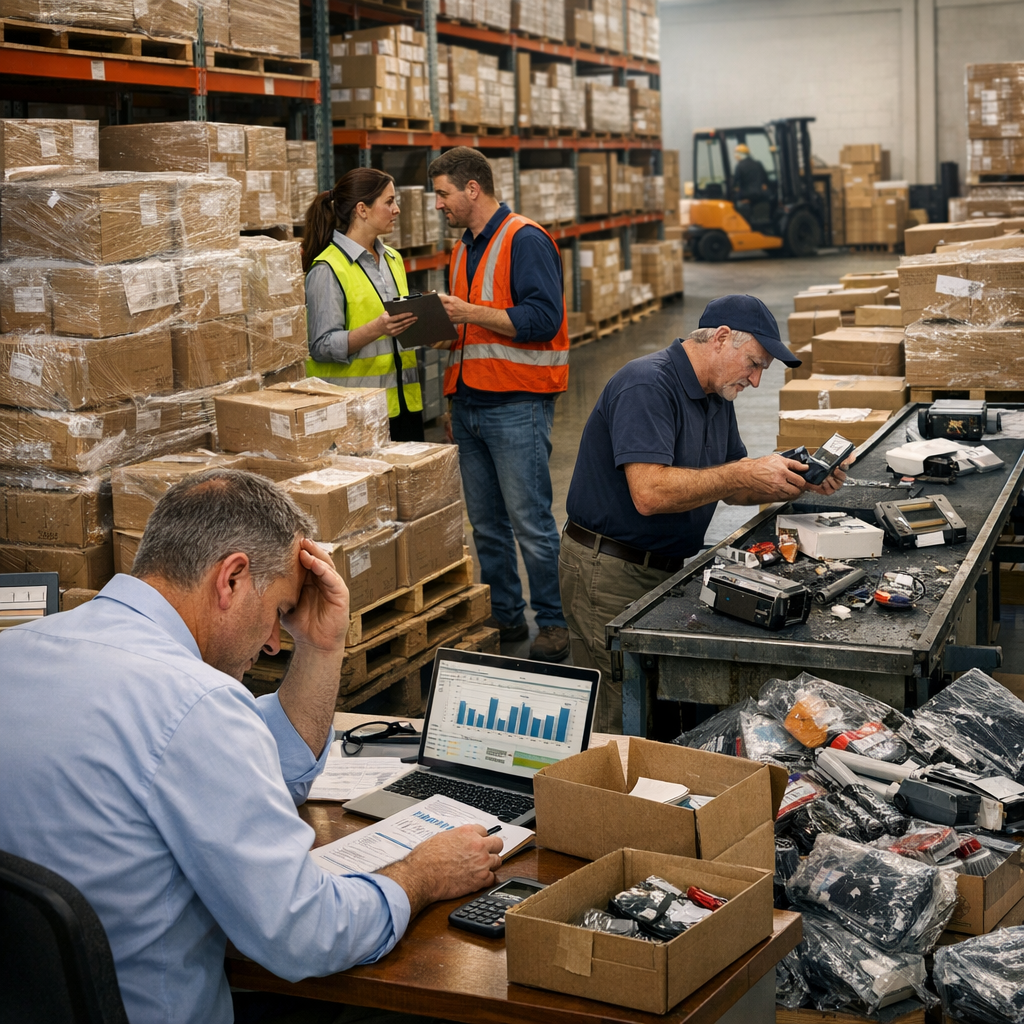
Let’s face it. In the world of business, overproduction is often the unseen enemy, lurking in the shadows and quietly wreaking havoc. Despite our best intentions, many organisations find themselves churning out more than what’s genuinely needed, and believe me, this isn’t just a small slip-up; it can send a shockwave through every aspect of your operations.
Imagine this: you’ve created more products than your customers actually want. What happens next? Inventory starts to pile up, transport costs soar, and soon enough, inefficiency becomes the norm rather than the exception. The famous Taiichi Ohno said it best: overproduction is the most dangerous waste. So, let’s delve into this issue, shall we?
Why Is Overproduction So Problematic?
First things first, let’s break it down. When overproduction occurs, it triggers a domino effect of waste.
- Inventory Piles Up: Stock becomes excess, and before you know it, you’re paying to store items that aren’t selling.
- Transport Costs Skyrocket: More products mean more transport. And more transport means higher expenses.
- Motion Becomes Inefficient: Employees are wasting time managing excess stock instead of focusing on value-adding activities.
- Over-Processing Sneaks In: Teams may start to add unnecessary steps to justify the surplus, complicating processes.
- Defects and Rework Multiply: With more items produced, the chances of mistakes increase, leading to costly rework.
It’s a vicious cycle that can drain your resources if you’re not careful. But here’s the kicker: recognising and tackling overproduction doesn’t just strengthen your operations—it can significantly enhance customer satisfaction, too.
How to Combat Overproduction
At City Skills, we’ve experienced this first-hand. We realised that identifying overproduction was just the first step; we had to take action to rectify it. So, how do you do that? Here are a few strategies:
- Analyse Demand: Get a firm grip on what your customers actually need. Look to historical data and market trends.
- Implement Just-In-Time (JIT) Production: Produce what’s necessary when it’s necessary. This approach minimises waste and optimises resources.
- Regularly Review Processes: Encourage a culture of continuous improvement. Regular assessments can reveal areas of overproduction and inefficiency.
- Engage Your Team: Your employees are on the front lines. Involving them in identifying waste can lead to innovative solutions.
Each of these steps requires commitment, but the payoff is worth it. By streamlining your operations, chances are you’ll also boost employee morale and, ultimately, customer satisfaction.
Personal Insight: Reflecting on My Journey
Let me share a personal experience. Back in the early days of my career, I remember getting caught up in the excitement of launching new products. We produced so many, thinking this would maximise our market reach. But guess what? Our shelves were overflowing, and our team was drowning in chaos. It took a hard lesson to realise that less can indeed be more.
Sometimes, we need to take a step back and rethink our strategy. If overproduction has stung you in the past, you’re not alone. It’s a common pitfall, but it is manageable.
What Waste Is Draining Your Resources?
So, I ask you: which of the seven wastes is draining your resources the most? Perhaps it’s overproduction, or maybe it’s something else entirely. Whatever it is, identifying it is the first step towards improvement.
Take a moment today to reflect on your operations. Ask yourself how you can streamline processes and eliminate unnecessary waste. I guarantee it could lead to remarkable changes in your business.
Let’s keep this conversation going. What steps are you planning to take to combat overproduction in your operations? I’d love to hear your thoughts.
#CitySkills #LeanThinking #WasteReduction




Responses