Rethinking Assessments: Embracing AI for Future-Ready Education

The Future of Assessments: Embracing AI, Not Excluding It
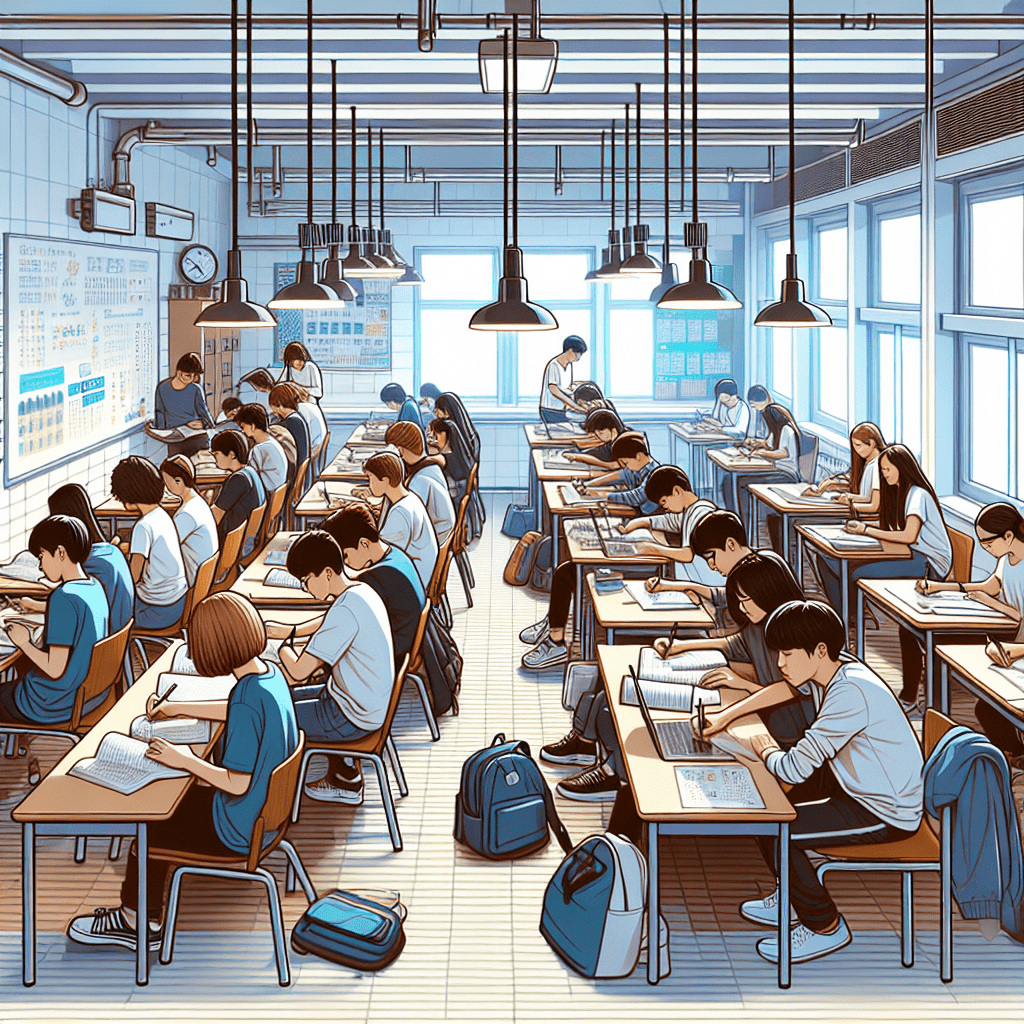
Picture this: you’re at a café, sipping a lovely cup of English Breakfast tea, discussing the future of exams with educators and thought leaders. There’s an exciting buzz in the air, an undercurrent of change. Over the past few weeks, I’ve been part of some fascinating discussions about assessments and, quite frankly, it’s clear to me that the future isn’t about shutting out AI. It’s about rethinking how we evaluate our students.
When we mentioned the possibility of moving exams online, a familiar concern was voiced. Will students simply use AI to cheat their way through tests? The instant reaction was about tightening proctoring measures. But I had a lightbulb moment: why not flip the script? Instead of trying to keep AI at bay, let’s consider how we can enhance our assessment methods.
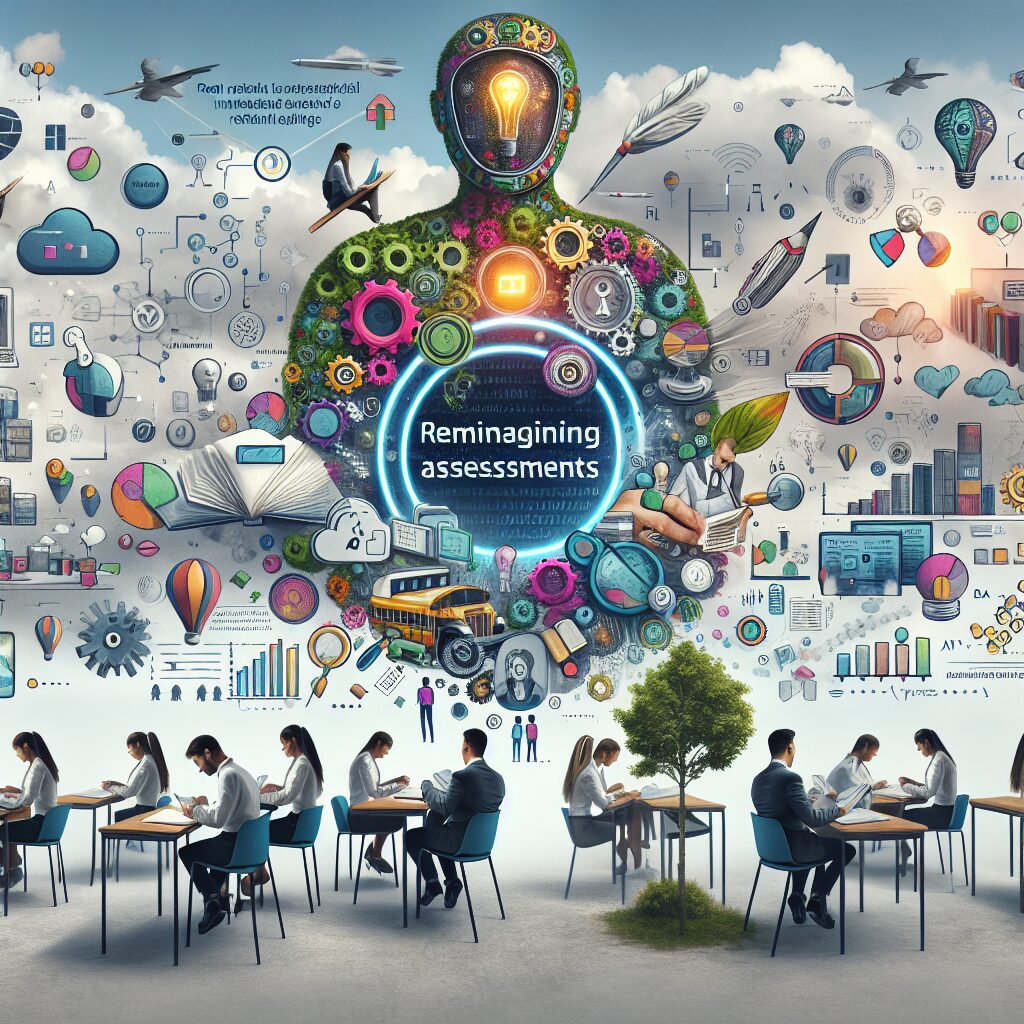
Rethinking Assessments
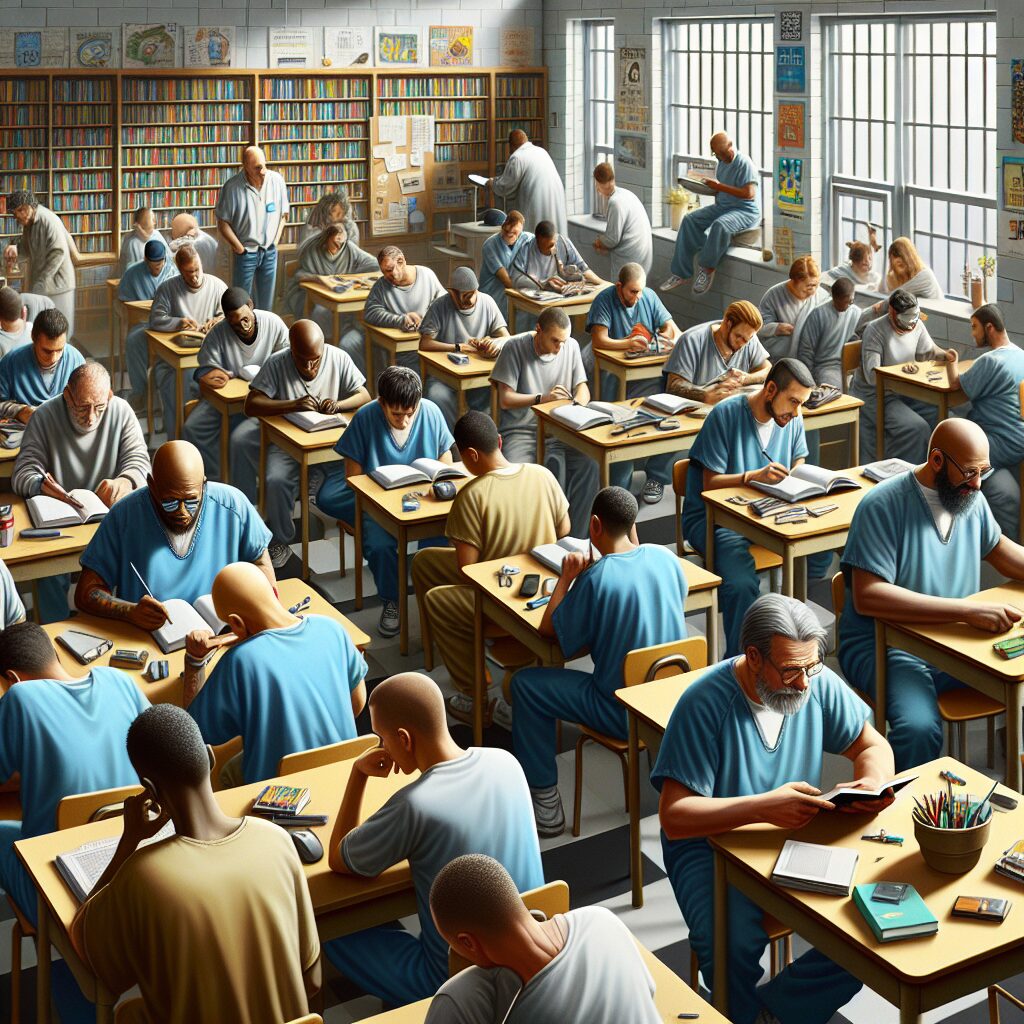
It’s time we moved away from traditional testing methods that often feel outdated. Why shouldn’t we embrace open AI exams? Imagine assessments that are less about rote learning and more about critical thinking and real-world applications. After all, isn’t that what we want for our students?
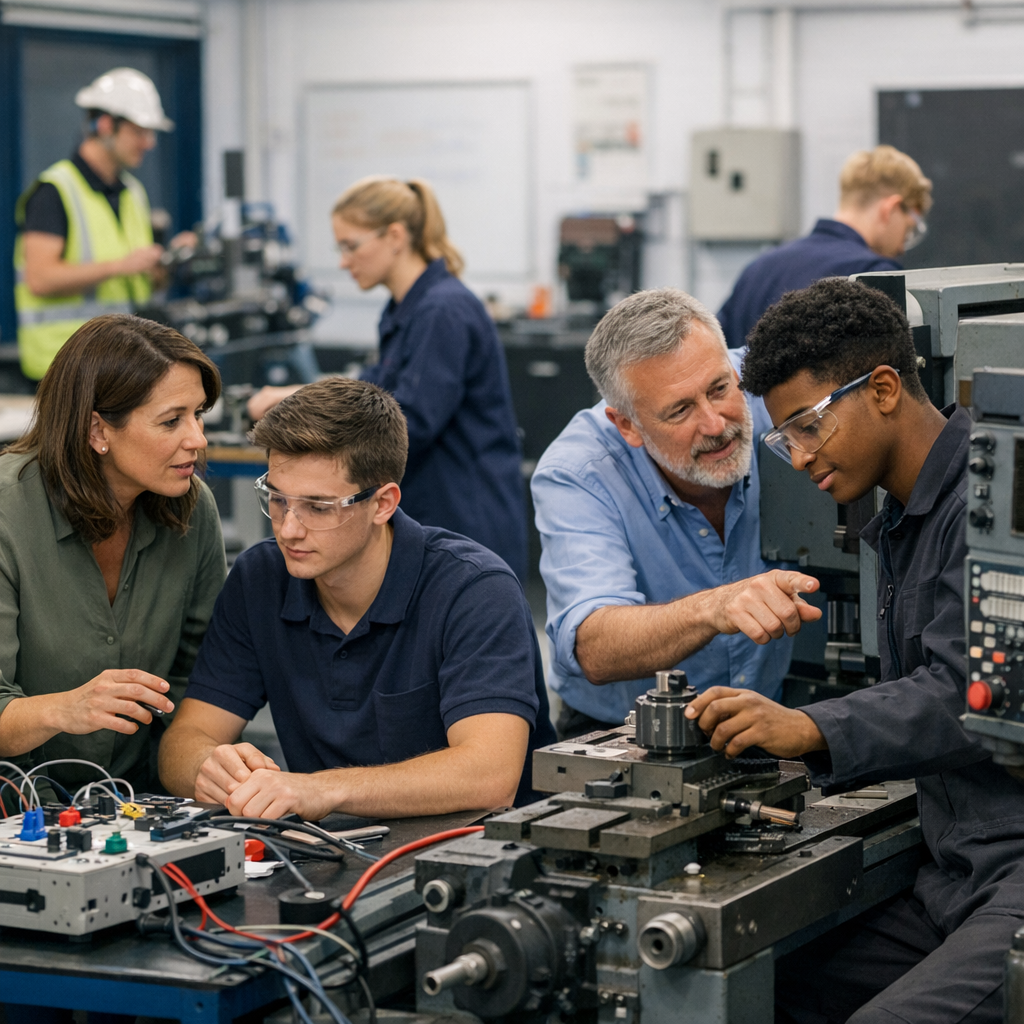
We could foster creativity and problem-solving skills while still ensuring that students understand their subject matter. The focus should shift from rigid exams to diverse evaluation strategies. Let’s think about alternatives like project-based assessments, group work, and even open-book exams that truly gauge ingenuity, not just memorisation.
But how do we go about this? Well, first, we need to cultivate a culture where failure is seen as a stepping stone to success rather than a mark of shame. In my journey, I’ve often seen the most valuable lessons come from moments of disappointment. This perspective can be vital in reshaping assessments that reflect an individual’s progress rather than just the endpoint.
The Role of Artificial Intelligence in Learning
Understanding AI’s role in the learning environment is crucial. It’s not merely a tool for students to exploit but an opportunity for educators to innovate. Consider personalised learning experiences powered by AI, which can tailor assessments to fit the unique needs and strengths of each student. Imagine a world where assessments evolve in real-time based on student performance.
Could we integrate AI to assess not just knowledge, but also skills like collaboration, creativity, and communication? Yes, we can. This shift requires us to redefine what we deem valuable in education. It’s not just about making the grade anymore; it’s about preparing students for a world where adaptability is key.
Engaging Students in Their Learning
Moreover, assessments should also engage students. Let’s have them contribute to the conversation about what effective evaluation looks like. What do they believe showcases their understanding best? How do they want to demonstrate what they have learned? Including their voices ensures that the process is more dynamic and relevant.
Imagine creating assessments that are collaborative rather than competitive, where students can learn from one another as they prepare for their futures. We can cultivate environments where students feel empowered to explore, question, and create, rather than just conform.
Moving Beyond AI Anxiety
While it’s natural to feel anxious about the role of AI in education, we should see it as a catalyst for change rather than a threat. Educators and institutions need to champion innovative assessment methods that embrace technology while nurturing essential human skills.
So, what’s the bottom line? The future of assessments hinges not on keeping AI out, but on rethinking the very frameworks we use to evaluate knowledge and capabilities. By embracing a more holistic approach, we prepare our students not just to ace tests, but to thrive in a rapidly changing world.
Do you feel ready to contribute to this conversation? Or perhaps you’ve got your own thoughts on the subject. How can we further innovate in education to not only meet but exceed the challenges presented by AI?
Let’s keep this dialogue going. Your ideas matter, and they’d be a great addition to the future of assessments.
#CitySkills #EducationInnovation #FutureReady