Navigating the Digital Maze: The Importance of Media Literacy for All Ages

The Challenge of Distinguishing Fact from Fiction Online
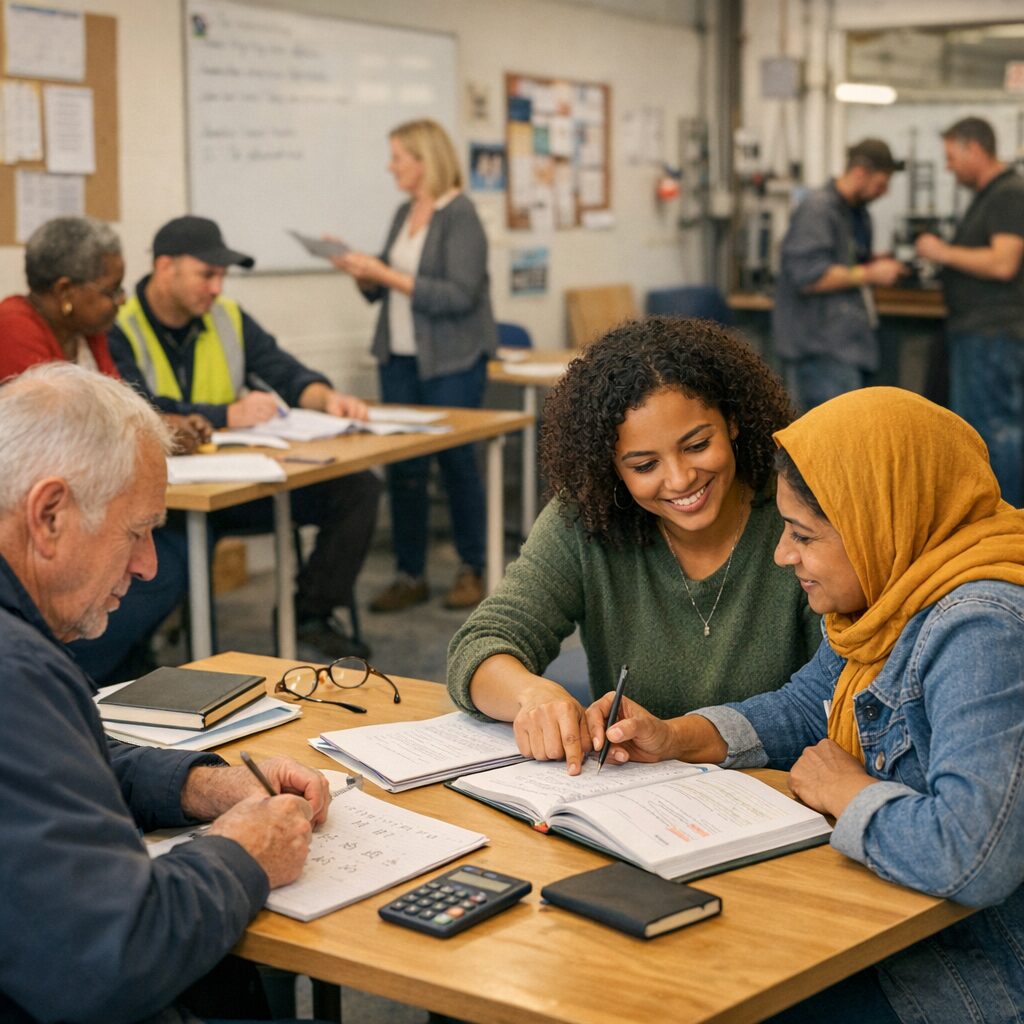
Isn’t it a strange time we’re living in? We’ve got information at our fingertips, yet distinguishing fact from fiction feels like searching for a needle in a haystack. This was the topic of a recent chat I had with a lively group from City Skills, and it really struck a chord with me. Misinformation is everywhere, affecting anyone with a screen and a curiosity to know more—no matter their age.
Why Media Literacy Isn’t Just for Students
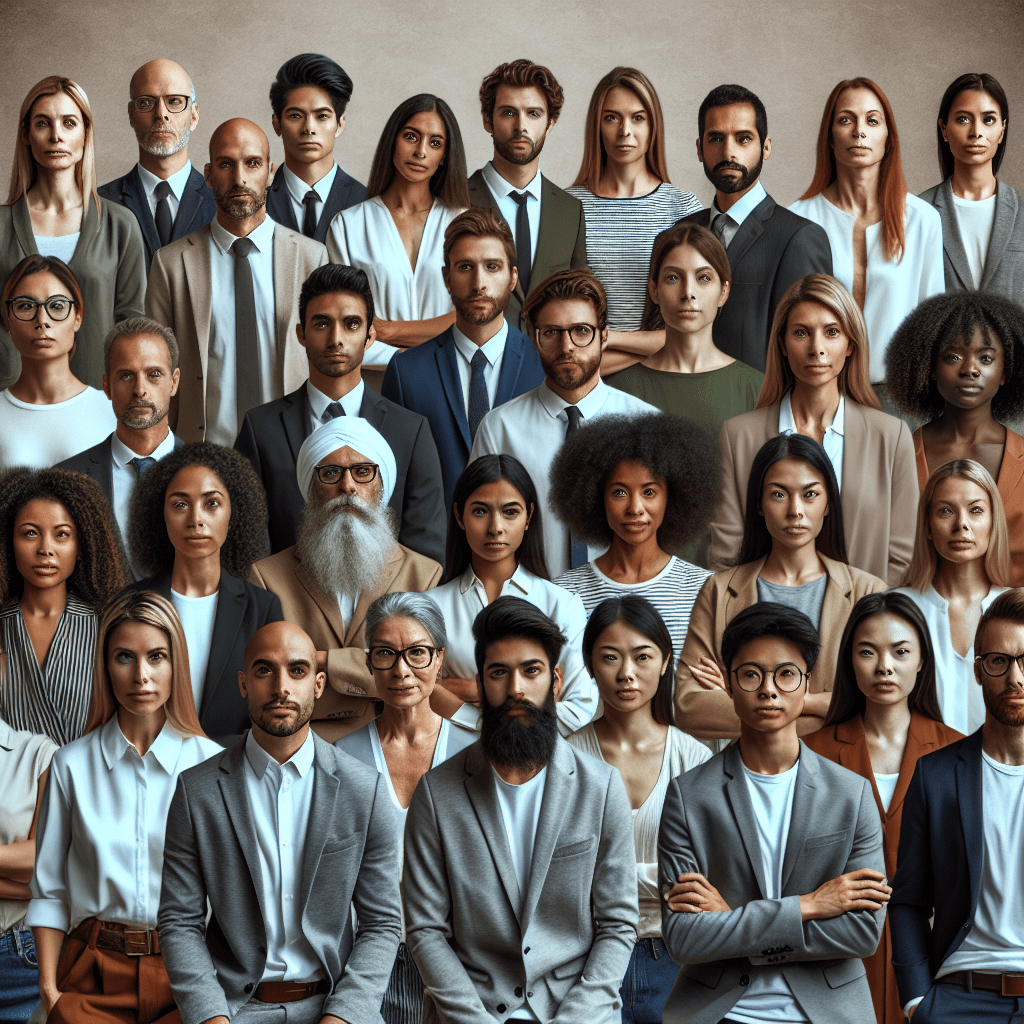
You might think media literacy is something only students should worry about, and to some extent, you wouldn’t be alone in that thought. However, let’s take a moment to reconsider this perception. The truth is that adults are just as vulnerable to the swirl of misinformation that bombards us every day.
We, as a society, often underestimate the complexity of the information landscape. It’s not enough to nod thoughtfully at headlines and scroll on. Adults need the tools to discern truth from falsehood just as much as the younger generation does. In fact, with the vast array of social media platforms and news outlets, it’s often the grown-ups who are more likely to consume content without questioning its authenticity.
Access to Resources is Key
So, what do we do about it? For starters, everyone deserves access to resources that help them navigate the murky waters of the online space. This isn’t just a nice idea; it’s a necessity. You might ask, “What resources are we missing?” Well, think about workshops, online courses, and community discussions centred on critical thinking and media literacy.
When I reflect on my early business adventures, I recall how learning was a vital part of every success story. Just as I sought out mentors and read countless books, we need to encourage a culture where everyone feels empowered to seek knowledge. Lifelong learning should be a norm, allowing all generations to critically engage with the information they encounter.
Commitment to Lifelong Learning
That brings me to another important point: commitment. We need a societal commitment to lifelong learning that emphasises the importance of critical thinking and media literacy. It’s not enough just to educate the young; we must continually adapt and learn, too. After all, the digital landscape doesn’t stand still, and neither should our understanding of it.
Imagine a world where we continuously learned how to sift through the noise—identifying trusted sources and questioning the sensational headlines. With a common commitment, we can make informed choices and bolster our community’s resilience against the storm of misinformation.
National Guidelines Can Help
Final thought to ponder: could national guidelines provide the framework we desperately need? Isn’t it time we all agreed on some baseline standards for media literacy? With a structured approach, we can effectively guide both young and old alike through the complexities of the digital age.
Countries around the globe are starting to recognise the importance of this issue. If we want to create a society that isn’t easily swayed by falsehoods, we must push for those guidelines. It does not take much to take that first step in the right direction. Schools, community centres, and libraries can act as hubs for knowledge sharing, making this crucial understanding accessible to everyone.
Reflect and Engage
To wrap up, don’t you think it’s time we prioritised media literacy for all ages? Let’s converse, engage, and challenge ourselves and others to learn more. Maybe you could start by sharing this post with a colleague or friend, or even bringing up the topic at your next gathering. The more we talk about it, the more we empower ourselves and each other.
In a world rife with misinformation, your voice matters. What’s your take on media literacy in today’s digital age? Let’s keep the conversation going as we embark on this important journey together.