Navigating Change in the Skills Sector: Insights from the AELP National Conference 2026

The Skills Sector’s Critical Crossroads: Embrace the Change or Get Left Behind
Listen, we’re at a tipping point. The skills sector is shifting under our feet, and if you’re not paying attention, you might just find yourself left in the dust. Today marks the start of the AELP National Conference 2026, and if there’s ever been a moment to engage and explore what lies ahead, it’s now. With political uncertainties and economic challenges looming larger than ever, inaction simply isn’t an option. So, let’s grab a coffee, take a moment, and dive into why this matters.
Why the AELP National Conference Matters
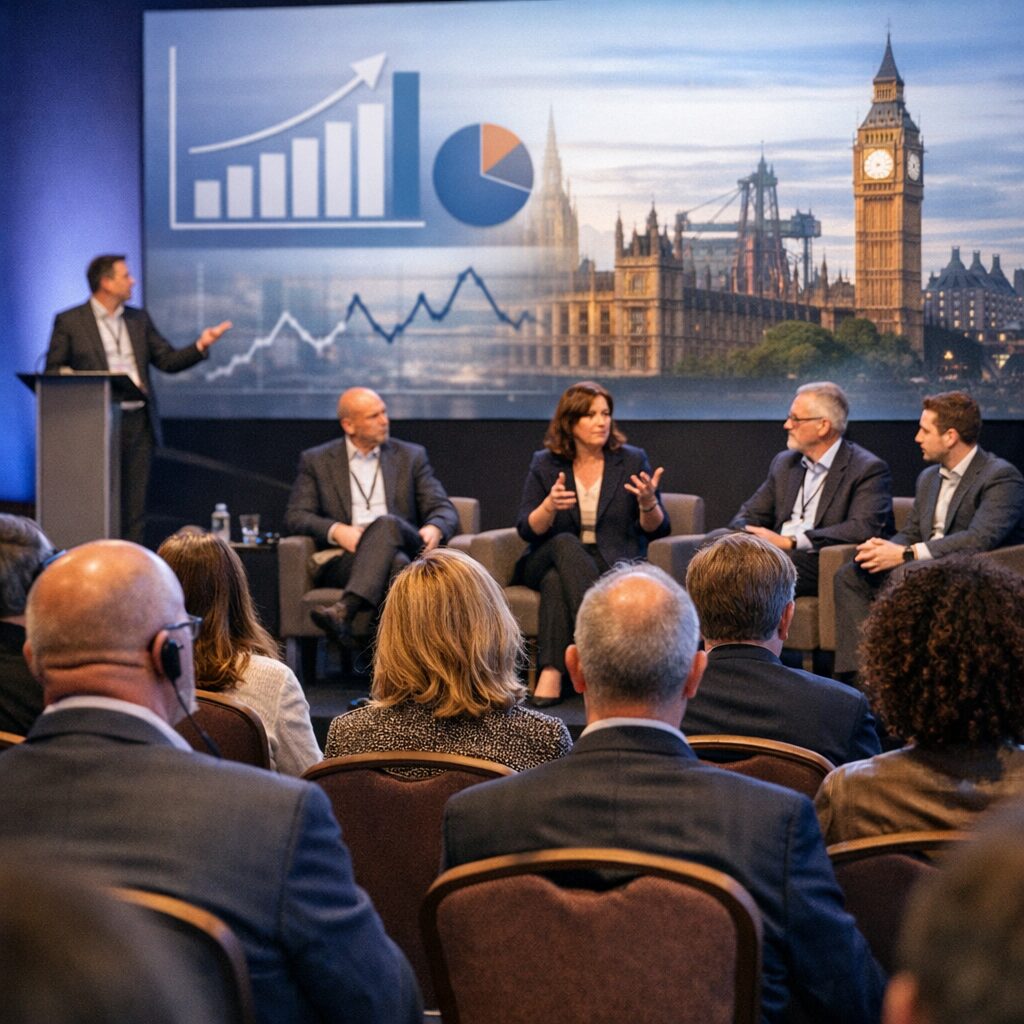
Right from the get-go, the AELP Chief Executive made it clear: this conference is vital. It’s not just about gathering for a chat; it’s about broadening our understanding of the evolving landscape. We need to actively contribute to shaping our future, and that begins with acknowledging the pressing challenges we face. What are these challenges, you ask? Well, think political changes, economic fluctuations, and a skills gap that’s simply too wide.
If I could find a common thread from the opening session, it would be a sense of urgency. The skills sector can no longer afford to sit back and hope things get better. Providers, employers, and partners must come together to not only adapt but to innovate. It’s a collective responsibility, and trust me, it’s going to take all of us.
The AELP State of the Sector Survey
One of the most significant highlights from the opening session was the first look at AELP’s State of the Sector survey. What’s that, you wonder? Well, it’s an early glimpse into key factors like provider confidence, priority areas, and how these insights will steer strategic choices in the coming months.
The survey paints a rather revealing picture. Many providers expressed concern about the future, yet there’s a silver lining. It’s also a call to arms—an opportunity to pivot and focus on areas that matter. Providers are navigating treacherous waters, but by diving deeper into these insights, we can all make informed decisions that foster resilience and growth.
What Do Employers Really Need?
Learning as an Evolutionary Process
And here’s the crux of it—we must adapt our learning models. Over the next couple of days at the conference, we will hear from ministers, regulators, and key players in the sector who will shed light on how we can make this adaptation happen. The focus will be on how we can navigate this unpredictable world while ensuring that our learners are equipped for tomorrow’s challenges.
I recall my early days in the business world, when I learned that adaptability often meant survival. It’s a lesson that’s stuck with me through thick and thin, and it’s one we need to embrace in the skills sector. By shifting our mindsets and being open to change, we pave the way towards a more robust and future-ready workforce.
Are You Ready to Step Up?
So, as we embark on these crucial conversations over the next few days, let’s ask ourselves: are we ready to step up to the challenge? What role can we play in carving out a path forward in our ever-evolving environment?
This is not just another conference—it’s our chance to be at the forefront of change. We have a collective responsibility, and it’s time for all of us to get involved. Let’s not wait for someone else to define the future. Let’s be the ones who shape it.
As we sip our coffees and share insights, I encourage each of you to contribute, engage, and perhaps even challenge the status quo. What ideas do you have to help bridge the skills gap? Share your thoughts—or better still, let’s connect and turn ideas into actions.
Join the Conversation
Here’s a question for you: how do you see your role in the future of the skills sector? Let’s start a conversation that matters.
#CitySkills #Skills #Apprenticeships