Learning from Near Misses: Transforming Close Calls into Safety Lessons

Are We Learning from Our Near Misses or Letting Valuable Lessons Slip Away?
Have you ever had a near miss? You know, one of those moments where everything almost went wrong, but somehow, it didn’t? I’m talking about those split-second decisions that can truly alter the course of our lives. Whether in everyday situations or the high-stakes world of emergency medicine, these moments are invaluable learning experiences that we often overlook.
Take this scenario: a nurse in a bustling emergency department almost administers the wrong medication—vecuronium instead of vancomycin. Thankfully, she catches this error just in time. Yet, while her sharp instincts saved a life, what about the system that allowed such a dangerous mix-up to happen in the first place?
Why Are Near Misses Important?
When near misses go unreported, we miss an opportunity to learn crucial lessons that can improve safety protocols. Unfortunately, many organisations focus primarily on incidents that result in harm. This creates a skewed perspective of the challenges faced by healthcare teams. In reality, those near misses tell us more about potential pitfalls than any report following an accident ever could.
Every close call is rich with insights just waiting to be uncovered. It is essential to foster an environment where these experiences are not just tolerated but encouraged. After all, if we do not examine our near misses, how can we hope to enhance safety standards?
The Power of Vigilance
The nurse in our example was the last line of defence. But what happens when that defence isn’t robust enough? Is the focus on improving the systems in place or merely on the individual’s performance? It is easy to blame human error, but the reality is that our systems should support the individuals working within them.
Emphasising vigilance is critical. We need to ask ourselves: What safeguards are in place to prevent errors? Are they working as intended? Are team members aware of these systems? If we can identify gaps in our safety nets, we can take proactive steps to address them.
Creating a Culture of Openness
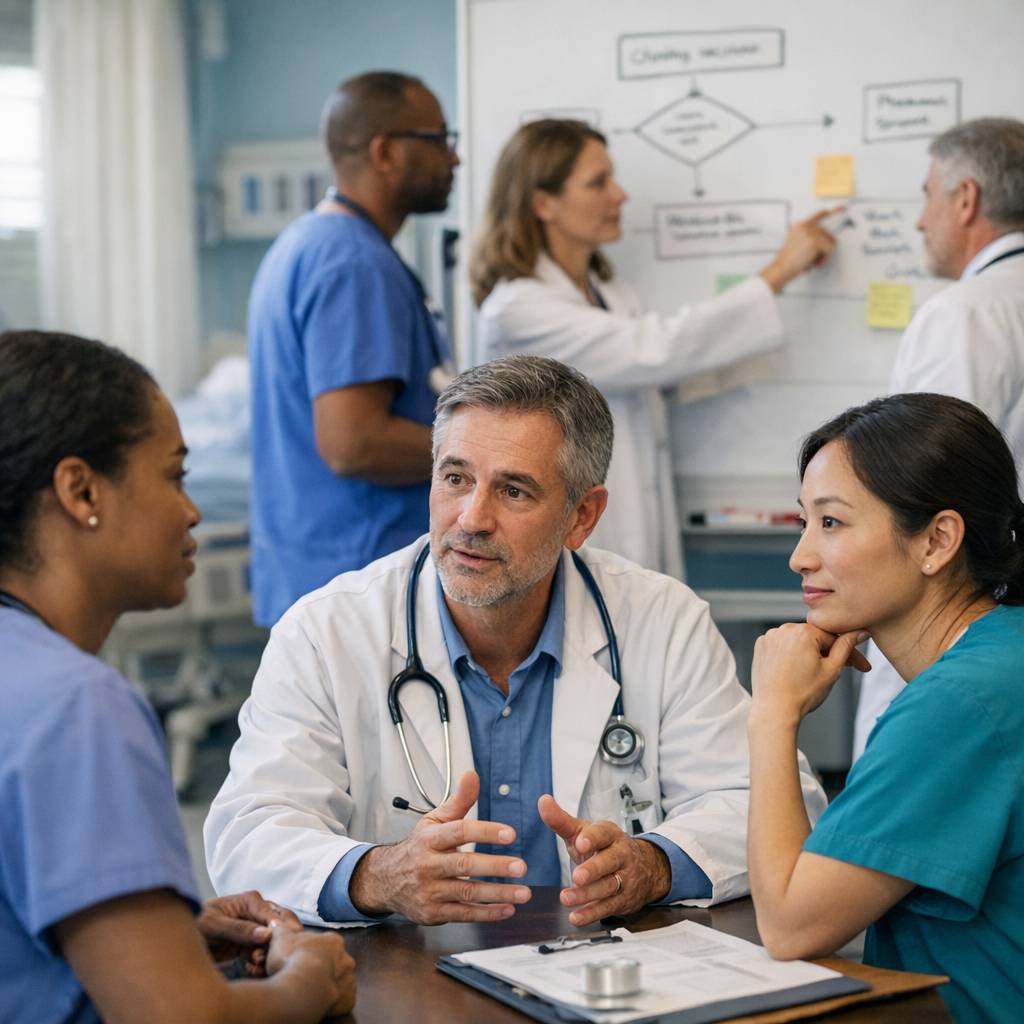
What does a culture of openness look like? It involves clear communication, a commitment to investigating close calls, and recognition that everyone can contribute to a safer environment. It’s about saying, “Let’s figure this out together,” rather than pointing fingers.
When a near miss is reported, take the time to analyse it. What led to the incident? Could it have been avoided with better communication or a different protocol? Inviting staff to share their insights allows organisations to strengthen their procedures and prevent future errors.
Learning Opportunities Are Everywhere
Every near miss is a chance to improve. They are learning opportunities waiting to be explored. But how do we create an environment where team members feel safe to share their experiences without facing the dreaded blame game?
It starts with leadership. Leaders must model the behaviour they want to see in their teams by being transparent about their mistakes. I remember a time when I misjudged something significant in a business deal. Instead of hiding it, I shared the lesson learned with my team. Acknowledging my misstep opened the door to fruitful discussions about transparency, vulnerability, and ultimately growth.
Imagine the impact if each team member took a page from that book!
Let’s Embrace Our Near Misses
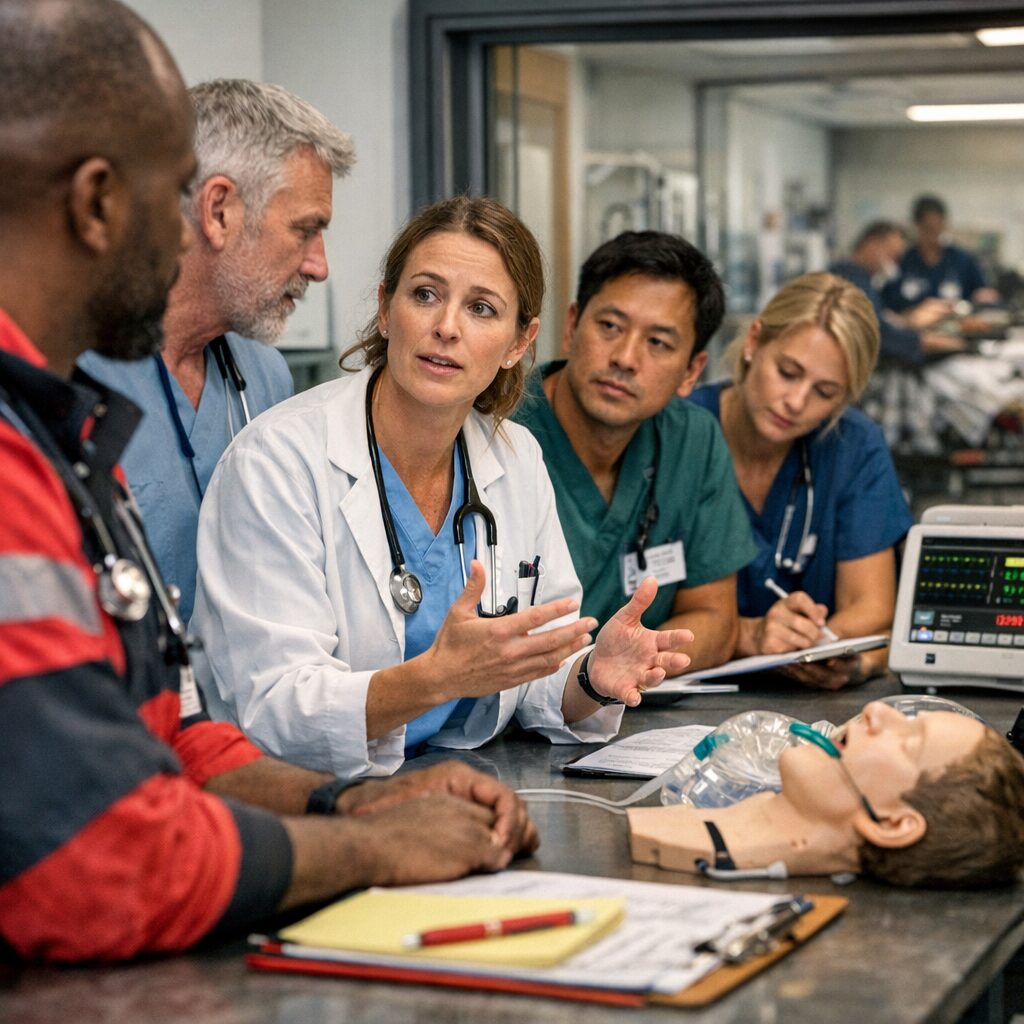
In the fast-paced and often chaotic world of emergency departments, an open mindset towards near misses can mean the difference between safety and catastrophe. We must break down the silence surrounding these close calls and start learning from them.
So, the next time you find yourself in a situation where something nearly went awry, consider the lessons to be learned. Are we truly learning from our near misses? Or are we leaving vital insights on the table? I’d love to hear your thoughts.
How can we foster a safer, more informed culture around sharing these experiences? Let’s start the conversation!