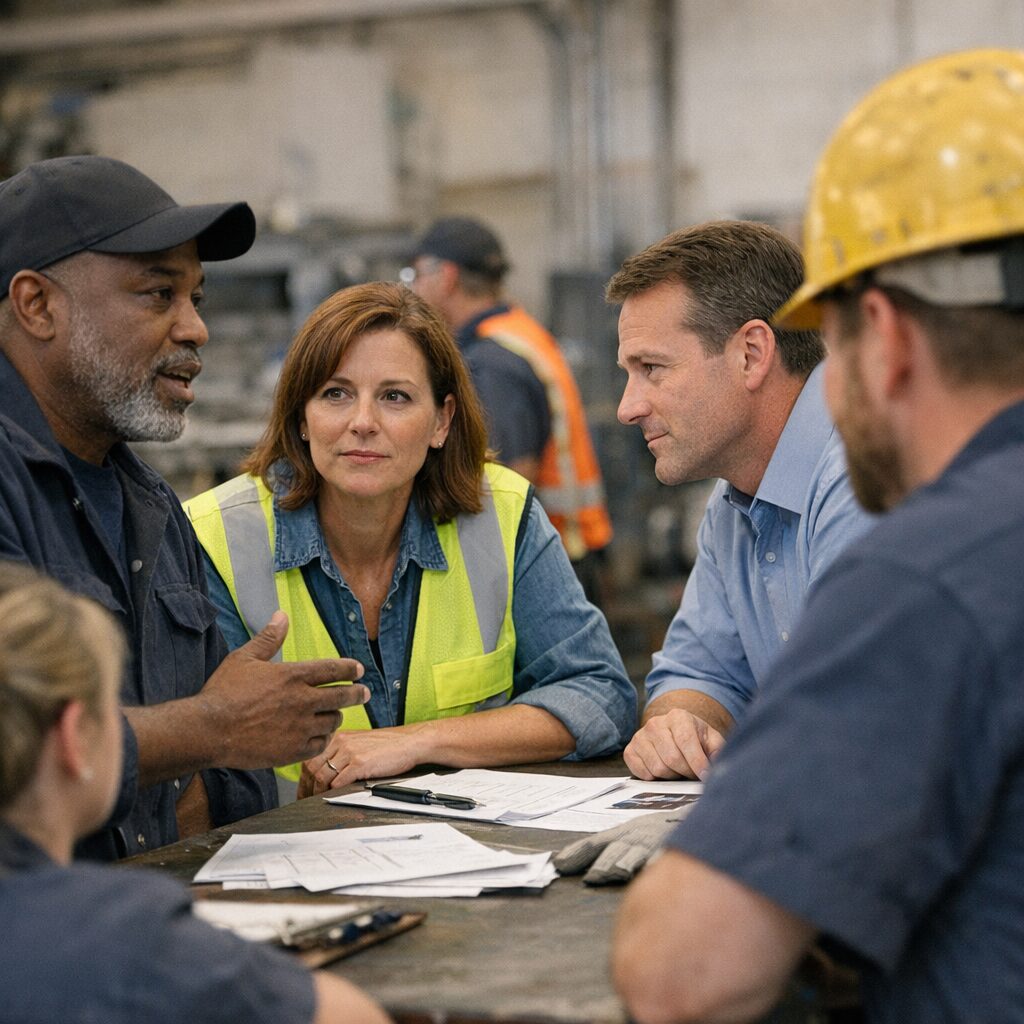
Fostering Genuine Conversations for Operational Excellence

Operational Excellence: It’s Time for Genuine Conversation
Imagine walking into a bustling bakery. The sweet aromas fill the air, and you watch the bakers moving efficiently, working like a well-oiled machine. You might think that operational excellence in such a place is all about meticulous planning and slick flowcharts. But let me tell you, it’s not. In this world, true excellence emerges when we foster genuine conversations with the very people who keep the wheels turning.
Why Conversation Matters
Now, I’m not saying that frameworks and methodologies don’t have their place. Far from it. But here’s the catch: the real transformation in any organisation happens when we co-design solutions with those on the frontline.
Think about it for a moment. The individuals who handle customer calls, pack boxes, and process orders possess insights that we often overlook. They are the heartbeat of the business. Their day-to-day experiences, challenges, and triumphs offer a wealth of knowledge. And when we tap into that, we’re not just collecting data; we’re unlocking a treasure trove of opportunities.
Engaging Frontline Workers
So, how do we do this? How do we engage our frontline workers in a way that truly enhances process design? First, ask questions that matter. Instead of simply measuring performance metrics, invite your team members into discussions. Ask them what works, what doesn’t, and where they see potential for improvement.
Here’s a little twist from my own experience. A few years ago, I sat down with a group of customer service representatives. They had a wealth of knowledge about the challenges faced by customers that I never would have guessed from looking at the data. Their insights reshaped not only how we managed customer issues but also how we approached new product launches. This memorable coffee chat was a game changer.
Look Beyond the Numbers
When we pull insights directly from those doing the work, we uncover aspects that data alone simply cannot reveal. Frontline workers can often pinpoint the quick wins. They can tell you which processes are slowing things down, or even where valuable time is wasted.
- Are there inefficiencies in the workflow that could be easily adjusted?
- Can we simplify communication channels to improve service delivery?
- What innovative ideas might they have for new procedures or products?
The beauty of this approach lies in the ownership it creates. When workers actively participate in shaping processes, they’re likely to embrace and champion what they helped create. They’re not simply following orders; they are part of a collaborative effort.
Building Trust Through Collaboration
Let’s not forget, the best-designed processes aren’t just effective; they’re trusted and embraced by those who have shaped them. This trust fosters a culture of continuous improvement, where everyone feels comfortable sharing insights and feedback. It transforms the workplace from a rigid hierarchy into a vibrant community.
Think about your own experience in the workplace. How many times have you noticed a potential improvement, only to feel that your voice wasn’t heard? It can be disheartening. Yet, when we make genuine efforts to engage our teams, we invite a spirit of collaboration that benefits everyone involved.
Your Turn to Reflect
So, the next time you’re mapping out a process or implementing a new system, pause for a moment. Ask yourself: Are you genuinely involving the people who make it happen? It’s time to start seeing those conversations as crucial rather than ancillary.
Now, I’d love to hear from you. What’s one insight from a frontline worker that has changed the way you approach process design? How can we collectively make operational excellence about more than just the numbers? Let’s keep this conversation going.
Until next time, keep fostering those genuine conversations!