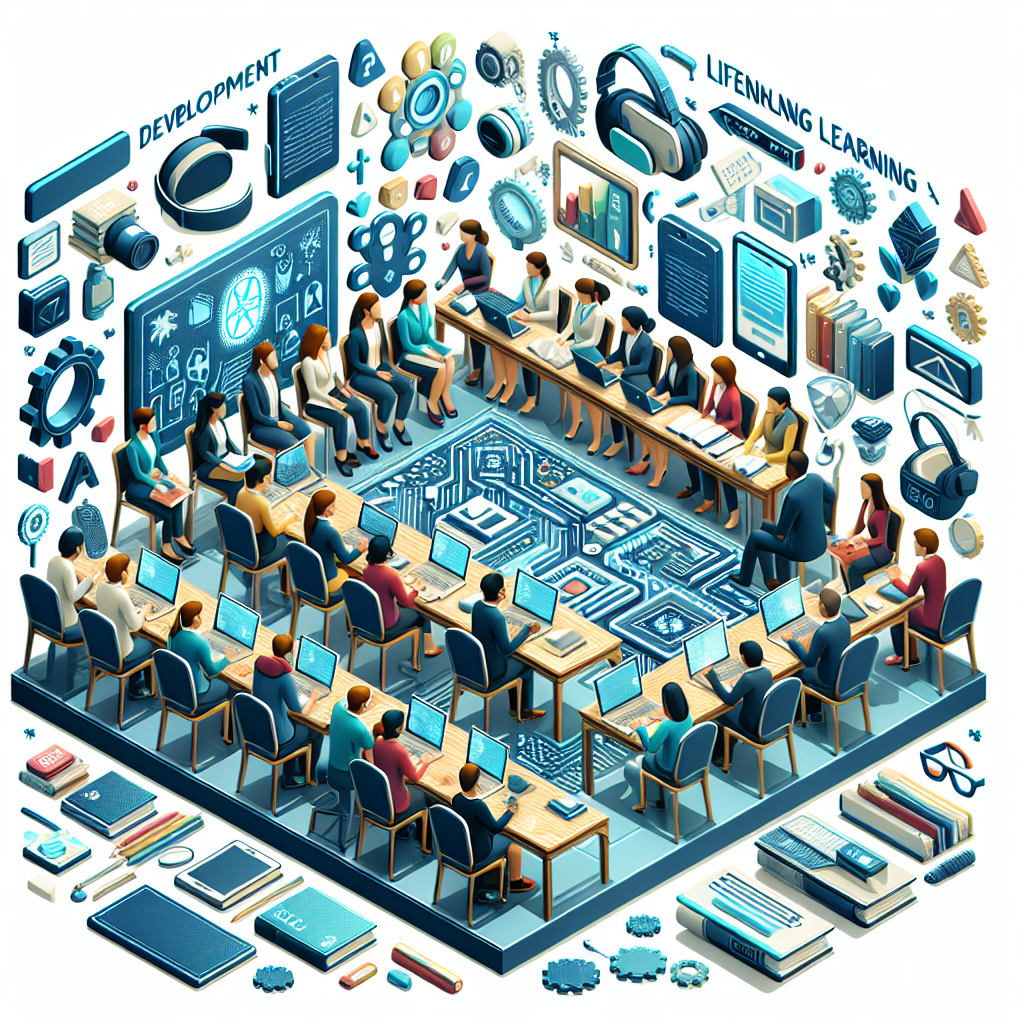
Empowering the Future: The Critical Role of Skills Development

Investing in Skills is Investing in the Future
Let’s get straight to it; investing in skills isn’t just a nice-to-have in today’s fast-paced world—it’s an absolute must. If the last few years have shown us anything, it’s that we need adaptable, skilled individuals ready to face whatever comes next. From tech to healthcare, every sector is feeling the pinch of the skills gap. Now, the question is, how do we fill it?
The Urgent Need for Workforce Development
Take a moment to think about it. The roles we encountered just a decade ago have evolved dramatically. New technologies are emerging faster than you can say “digital revolution.” This is where the leaders in the HR space, like those at City Skills, come into play. They are advocating for workforce development like never before. We’re not just ticking boxes here; we’re talking about equipping people for the future.
Skilling goes beyond simply filling vacancies. It’s about building adaptive, resilient teams poised for the challenges ahead. It’s thrilling to think about the innovation and growth that can sprout from a strong foundation of skills. When individuals are empowered through training and education, companies flourish. So, let’s not just focus on immediate hires; let’s concentrate on long-term investments. Because what we’re truly developing is human potential.
Transforming Lives and Organisations
I’ve had the pleasure of witnessing firsthand the extraordinary impact that targeted upskilling efforts can have. Just the other day, I caught up over coffee with a friend who turned her career around through a focused training programme. She had been in a static role for years, but after investing time into enhancing her skills, she not only landed a new job but also reignited her passion. That’s the power of skilling!
This isn’t just about personal growth; it’s about energising entire organisations. When employees feel they’re learning and developing, morale skyrockets. They become more engaged, and retention rates improve. So, why wouldn’t companies invest in their people? The cost of not doing so far outweighs the upfront expense of training. As the saying goes, if you think training is expensive, try ignorance!
How to Prioritise Skills Development in Your Organisation
So, what steps can organisations take to put skills development front and centre? Here are a few pointers:
- Conduct Skills Assessments: Identify the skills gaps within your team. Surveys and interviews can be revealing.
- Invest in Training: Whether it’s online courses, workshops, or mentoring—tailor the training to meet specific needs.
- Encourage a Learning Culture: Create an environment where continuous learning is not just encouraged but celebrated.
- Set Clear Goals: Help employees understand what skills they can acquire and how these will benefit their career trajectories.
When people see a pathway for their future, they are more likely to remain committed and engaged. It’s a win-win.
Reflection on the Journey Ahead
So, dear reader, what steps are you taking to prioritise skills development in your organisation? How are you contributing to this crucial movement? Share your thoughts! After all, your insights could just inspire someone else to embark on their own journey of skill development.
Let’s keep the conversation going.