Empowering Leadership: The Art of Stepping Back

Sometimes, the Best Way to Lead is to Take a Step Back
Picture this: you’re sitting in a café, sipping on your flat white, and you can’t help but notice the buzz of creativity around you. Everyone is engaged, sharing ideas, and pushing each other to grow. It’s invigorating, isn’t it? This kind of atmosphere doesn’t just happen; it’s cultivated. And the secret ingredient? Empowerment.
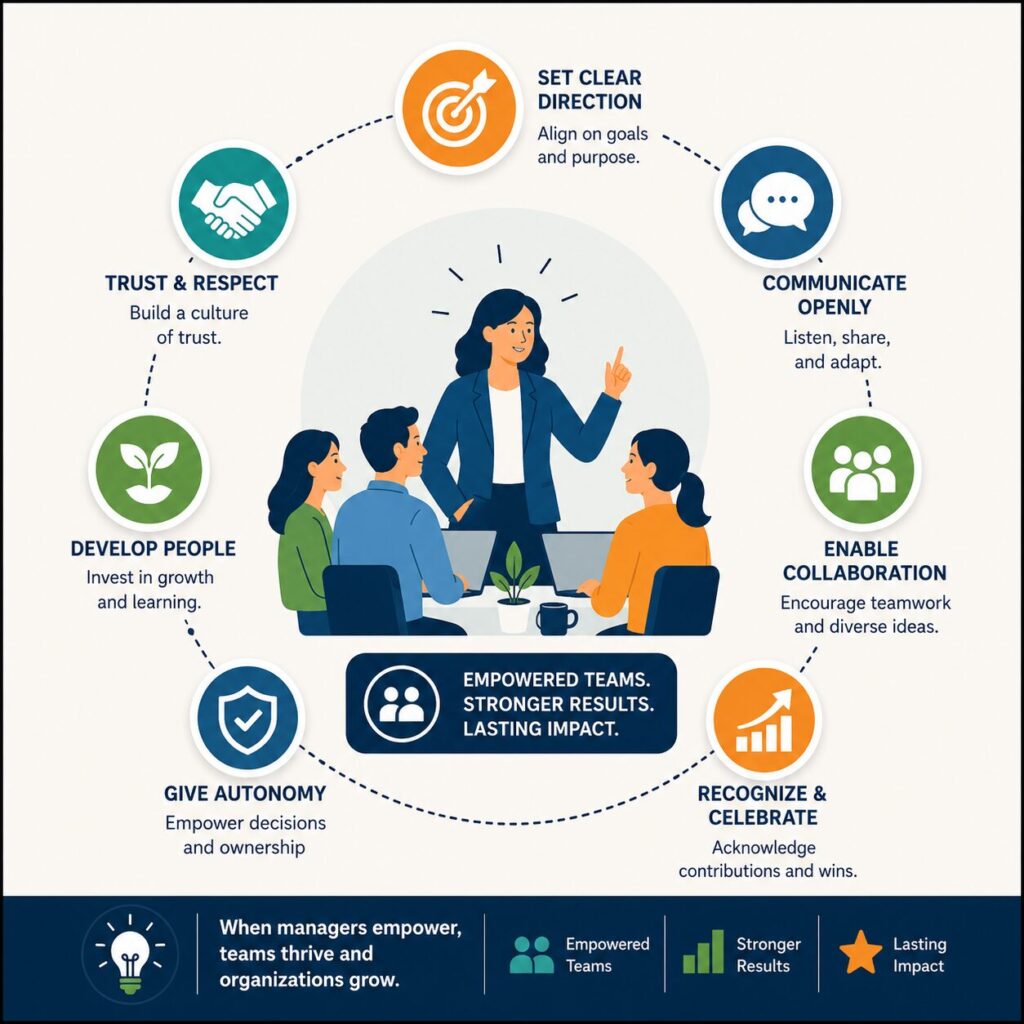
At City Skills, we believe that true empowerment is the key to unlocking your team’s potential. It’s not just about offloading responsibilities; it’s about creating an environment where people can truly thrive. So how do you, as a leader, inspire that kind of culture? Buckle up because I’m about to share five straightforward ways to empower your workforce effectively.
Equip Them with the Right Tools and Resources
First things first — your team can’t soar if you don’t provide the right tools. Think of it like giving a painter a proper set of brushes and colours; without them, their masterpiece will always fall short. It’s essential to ensure your employees have access to the resources that enable them to do their job brilliantly. Invest in updated technology, training, and support. An empowered workforce is a well-equipped workforce.
Keep the Lines of Communication Open for Feedback
Next up, let’s chat about communication. Think of it as an open tapping on the shoulder rather than a shout from the balcony. Regular feedback and dialogue create a space where your team feels valued and heard. When you encourage them to share their thoughts, you not only enhance their confidence but also gather insights that can drive your organisation forward. Your willingness to listen can transform employee engagement and morale.
Be Present, but Avoid Overshadowing Their Efforts
Now here’s where things can get a bit tricky. As a leader, it’s vital to be present but not overbearing. You want to support your team without overshadowing their efforts. I remember a time when I was overly involved in a project, trying to steer it in a particular direction. It stifled creativity and passion within the team. The moment I stepped back and allowed them to take charge, they flourished. It was a beautiful reminder that sometimes, the best way to help is to trust your team to find their own path.
Ensure They Are Well-Prepared Before Diving Into Tasks
Preparation is key. Before sending your team headfirst into new tasks, ensure they’re well-prepared. This could mean providing relevant training sessions, clear instructions, or even just a supportive chat about what lies ahead. When you equip them to face challenges with confidence, you empower them to take ownership of their roles, leading to fulfilled and motivated employees.
Recognise the Right Moments to Step In When Needed
Finally, know when to step in. Empathy plays a significant role in leadership. While it’s great to let your team navigate their challenges, there are times when they might need your guidance. Keeping a close eye on their progress, without micromanaging, can help you identify those moments. Jumping in with support can inspire trust and reinforce the idea that they’re never alone in their journey.
The Power of Stepping Back
These five strategies serve as a powerful reminder: when we take the lead, our people may hesitate. When we step back, they often rise to the challenge. Real empowerment doesn’t lead to chaos; it fosters confidence, capability, and ownership. So, are you ready to move away from micromanagement and cultivate a team that embraces responsibility?
Reflect on your leadership style. Are you empowering your team, or are you inadvertently holding them back? Ask yourself what small step you could take today to encourage their growth. Let’s start a conversation about empowerment and leadership!
Remember, it’s about building a team that not only performs but also thrives. Your thoughts? I’d love to hear how you empower your workforce.