
Empowering Automation: Balancing Innovation with Human Insight

Automation Should Empower, Not Distract
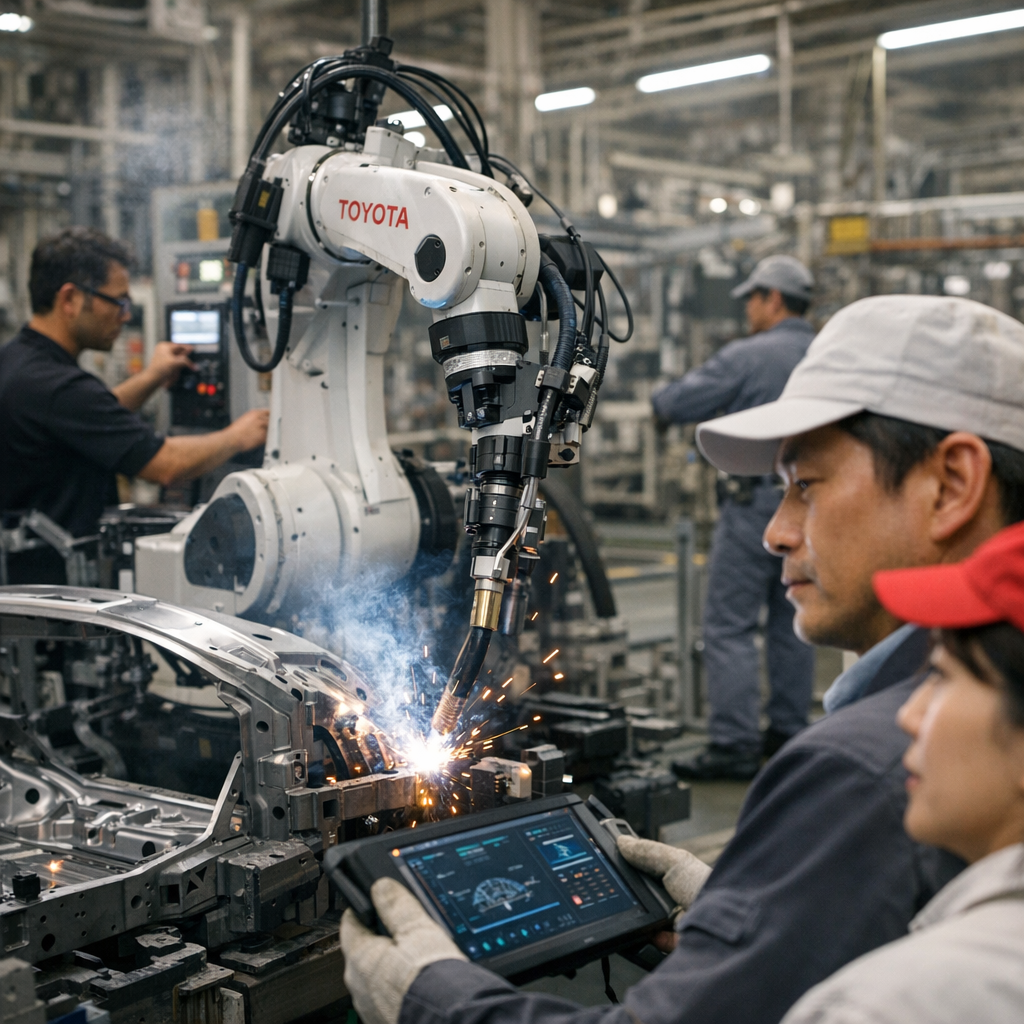
Alright folks, let’s dive into a hot topic that’s less about the shiny tech and more about the substance behind it. Automation is a buzzword that’s been thrown around for years now. It’s exciting, no doubt. I mean, just look at the latest innovation from Toyota GAZOO Racing and Yaskawa: an AI welding robot that reads conditions in real-time and adjusts itself while it works. Sounds incredible, right?
But hold your horses for a moment. As we leap into this brave new world, there’s a crucial point we’re missing. In our excitement for automation, we need to ensure that we stay grounded. Automation should empower our workforce, not distract us from the core issues. The last thing we want is for shiny robots to become a way to paper over the cracks in our operations.
Are We Ignoring the Real Issues?
Let’s ask ourselves a few tough questions:
- What happens when the robot keeps compensating for a glitch that needs human intervention?
- Are we just masking problems with automation instead of solving them?
- How can we continue to learn and improve if machines keep adjusting without stopping to let us investigate?
It’s easy to fall into the trap of treating automation as a catch-all solution. But what good is a robot that masks issues without helping us understand them? Sometimes I like to think of this as the difference between noise and signal. If we keep moving that proverbial funnel every time a marble rolls through, we could unintentionally create chaos. We need to untangle this. I once faced a similar dilemma in my early business ventures when I hired staff but neglected to train them properly. What I found was that introducing more “hands” complicated things rather than simplifying them.
The Learning Journey
One strategy could be regular reviews of automated processes. Rather than letting a machine take the wheel completely, what if we structured workflows to prompt human oversight at critical junctures? Think of it like a system of checks and balances where machines and humans collaborate. Our tech should be a partner, not a replacement.
Strategies for Empowerment
- Establish regular checkpoints for human intervention in automated processes.
- Encourage a culture of continuous learning, where AI insights lead to human-led investigations.
- Prioritise transparency in automation; ensure that team members understand how and why systems are working the way they do.
At the end of the day, the future is bright for those willing to think critically about the role of automation. It can be a powerful ally, but only if we wield it wisely. What do you think we should do to make sure automation truly empowers us? It’s a conversation worth having, because if we don’t actively engage with these tools, we may just end up with more problems than solutions.
Let’s chat about your thoughts in the comments below! Are you excited or anxious about the rise of automation? Your perspective could be the catalyst for somebody else’s insight.


Responses