Designing with Purpose: The Key to Meaningful Solutions

Forget Aesthetics: Design Should Always Be Purposeful
Let’s face it: design has a reputation problem. Too often, we get swept up in aesthetics — shiny presentations, trendy graphics, and decor that dazzles. But I’ve come to believe that forgetting aesthetics might just be the key to creating something great. Design should be purposeful. It’s about solving a problem, not just looking good. Let me tell you a story that brought this idea into sharp focus for me.
The Lesson from Hotel Kong Arthur
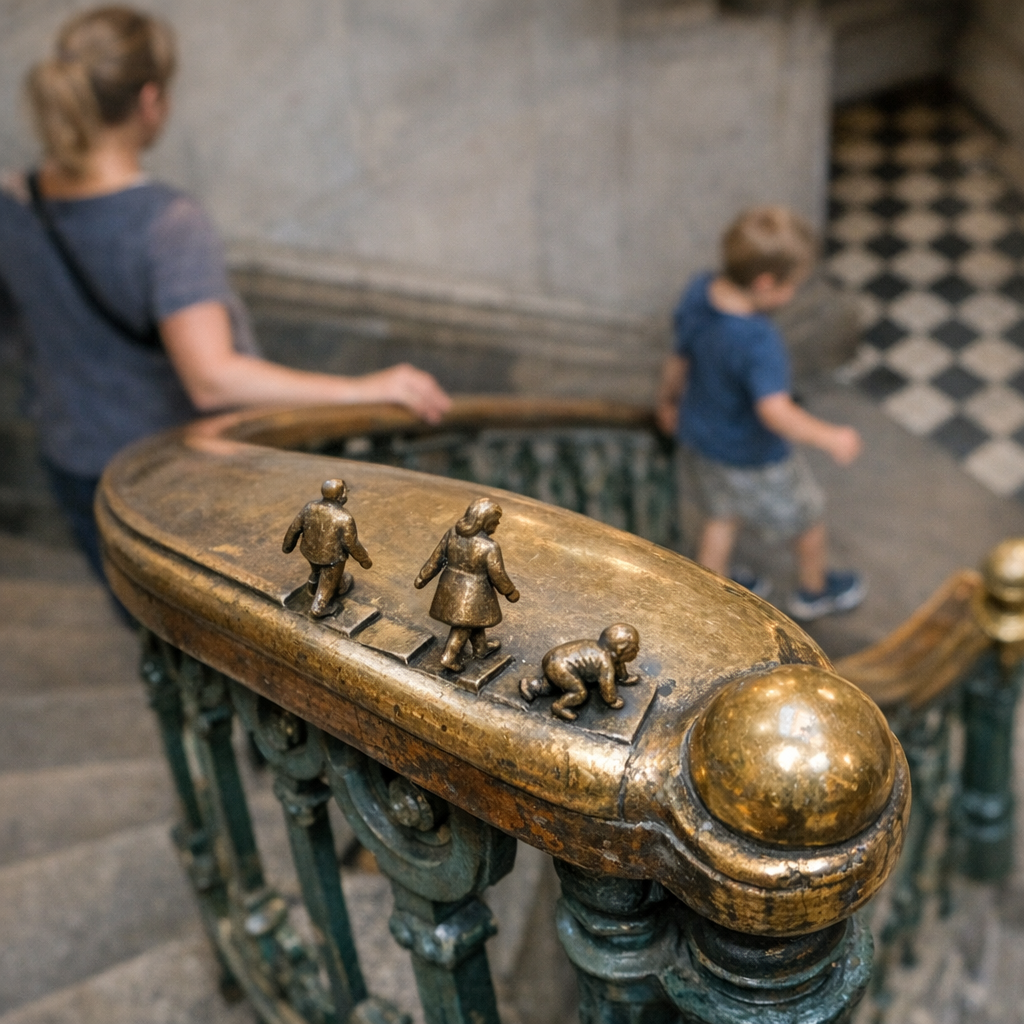
During a recent stay at Hotel Kong Arthur in Copenhagen, I encountered a curious detail that stopped me in my tracks. The wooden banister, steeped in history, boasted raised studs. Now, you might think they were there for decoration, but they had a practical origin. Back in 1882, someone had the foresight to install those studs to prevent apprentices from sliding down the banister.
This single feature embodies a vital lesson: great design stems from a clear understanding of the problem at hand. Those studs were the result of observing behaviour and crafting a solution tailored to meet that need. A brilliant example of function over form!
The Disconnect in the Workplace
Now, let’s pivot to a familiar scenario: the workplace. How often do we implement new processes, roll out HR initiatives, or introduce policies that look good on paper but lack clarity in their purpose? Far too frequently, we lavish attention on the eye-catching aspects while neglecting the core reason behind the changes. Why is that?
Before we embark on any new design, whether it’s a fresh programme for our people or a straightforward workplace policy, let’s insist on taking a moment to ask ourselves:
- What is the purpose behind this?
- What change are we aiming for?
- How can we make things simpler?
These questions are crucial. Leading with purpose ensures that we’re not just adding bells and whistles but instead creating solutions that genuinely address the challenges our teams face.
Purpose-Driven Design in Action
When I think about the work we’re doing at City Skills, I see this principle in action. Each time we design a new programme, we start by asking what problem we’re trying to solve and how our approach can lead to meaningful change. Good design mustn’t just tick boxes; it must come from a deep understanding of the needs of the people it serves. This purposeful approach not only helps us connect with our teams but also fosters a more engaged and productive environment.
It’s pretty liberating when you think about it: Rather than getting bogged down by the latest trends, we can focus on what’s truly important. Consider the time we spent generating a new training programme. Instead of following conventional wisdom, we held discussions to identify the gaps in skill and motivation. The outcome? A programme that resonated with our people and addressed their needs, leading to improved performance and satisfaction.
Taking the First Step
So, what’s the takeaway? Whether you are curbing a risky slide down a banister or designing an initiative for your staff, remember to lead with purpose. In a world filled with distractions and flashy designs, let us stay grounded and focus on the impact of our work. The beauty of purposeful design is that it doesn’t just catch the eye; it captures the heart.
What’s your take on ensuring everything you design starts with a clear purpose? I’d love to hear your thoughts. Let’s keep the conversation going; after all, design is a journey we’re all on together.
Until next time, let’s champion purposeful design!
#CitySkills #designedwithintent #leadershipmatters