From Observation to Action: Transforming Processes in the Workplace

Improving Processes: Get Off the Sidelines and Into the Action
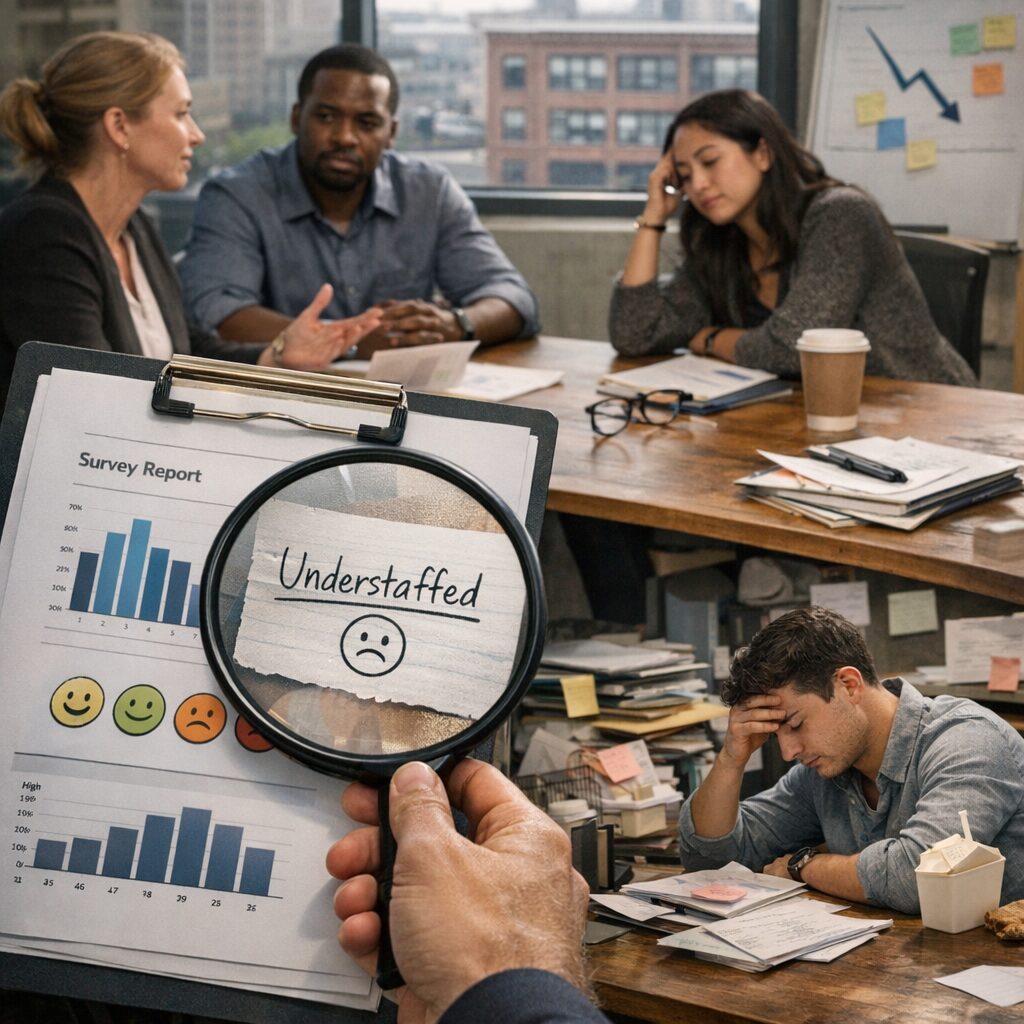
Ever sat in a meeting thinking, “This wouldn’t happen if we actually went to see what’s going on?” If so, you’re not alone. It’s easy to get caught in the armchair analysis trap, mulling over reports and charts instead of rolling up your sleeves and diving headfirst into the real work. But let me tell you, seeing the action unfold right in front of you delivers insights that no spreadsheet ever could.
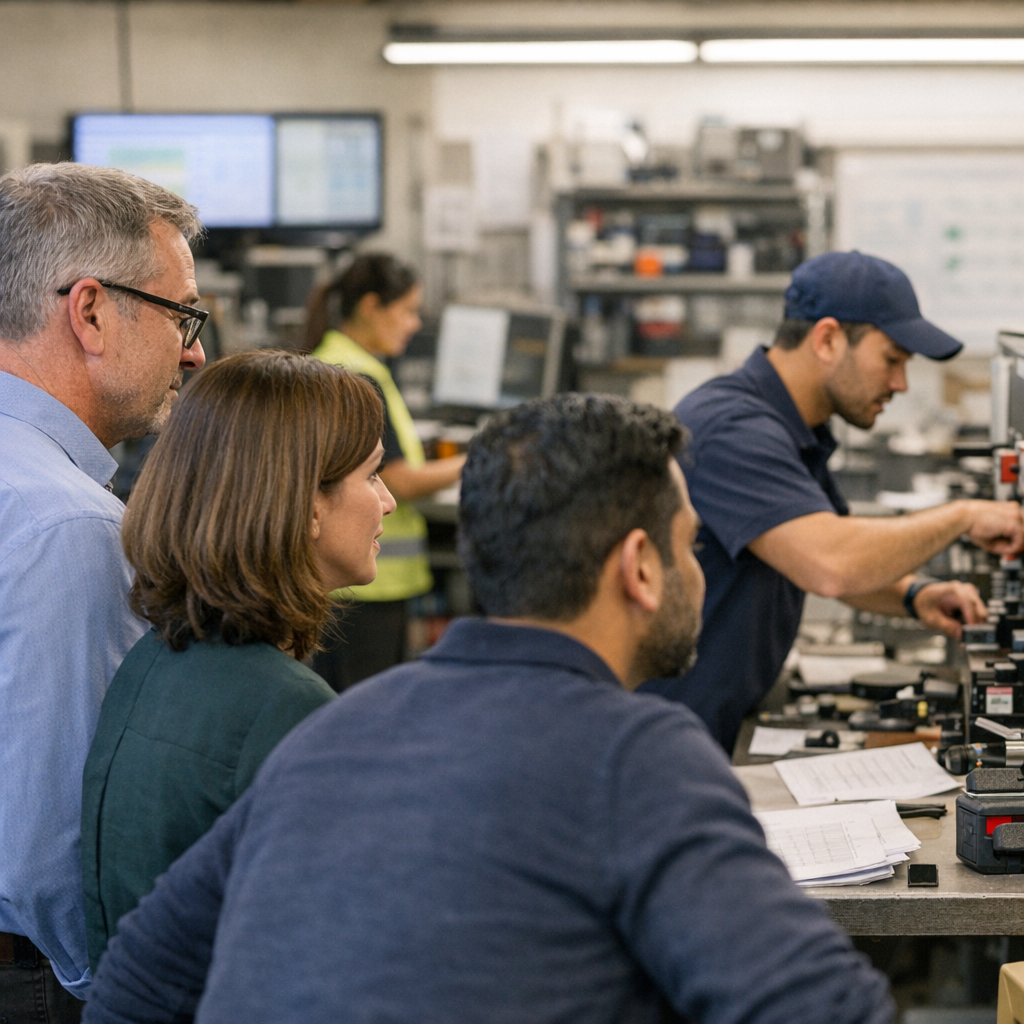
When you take the time to step away from your desk and truly observe a process, magic happens. Why? Because you uncover the hidden truths that numbers and meetings often gloss over. You’ll start to notice normalised waiting times that keep productivity at a standstill. You’ll spot rework that is chipping away at resources and ad-hoc workarounds that your clever team members have created just to get through the day. The beauty of it all is that by witnessing these challenges directly, you can begin to think about genuine solutions. So, let’s dig a little deeper.
What Happens When You Observe Processes Live?
One of the most eye-opening experiences I ever had was during a factory visit a few years ago. The production team proudly told me about their achievements, yet as I stood there, I noticed queues of materials waiting for processing and a complicated hand-off where details were often lost. It was a stark reminder that the reality can deviate significantly from what we perceive in our reports.
Here are five critical things you might discover when you step into the arena:
- Normalised Waiting Times: You might see that what seems like acceptable waiting time on paper can actually hinder productivity in real life.
- Hidden Rework: You know that frustrating cycle when a task comes back for revision? It’s a resource drain that you may not have even realised was happening.
- Ad-hoc Workarounds: Every team has those clever fixes. But do they actually improve the workflow or just keep things ticking along? You’ll soon find out.
- Handoffs and Lost Information: When roles overlap, can you pinpoint where vital information goes missing? It’s often in the grey areas.
- Misalignment Between Standards and Reality: Are the rules being followed, or have your team members made their own adjustments to cope with the day-to-day?
Why Observing is Key to Process Improvement
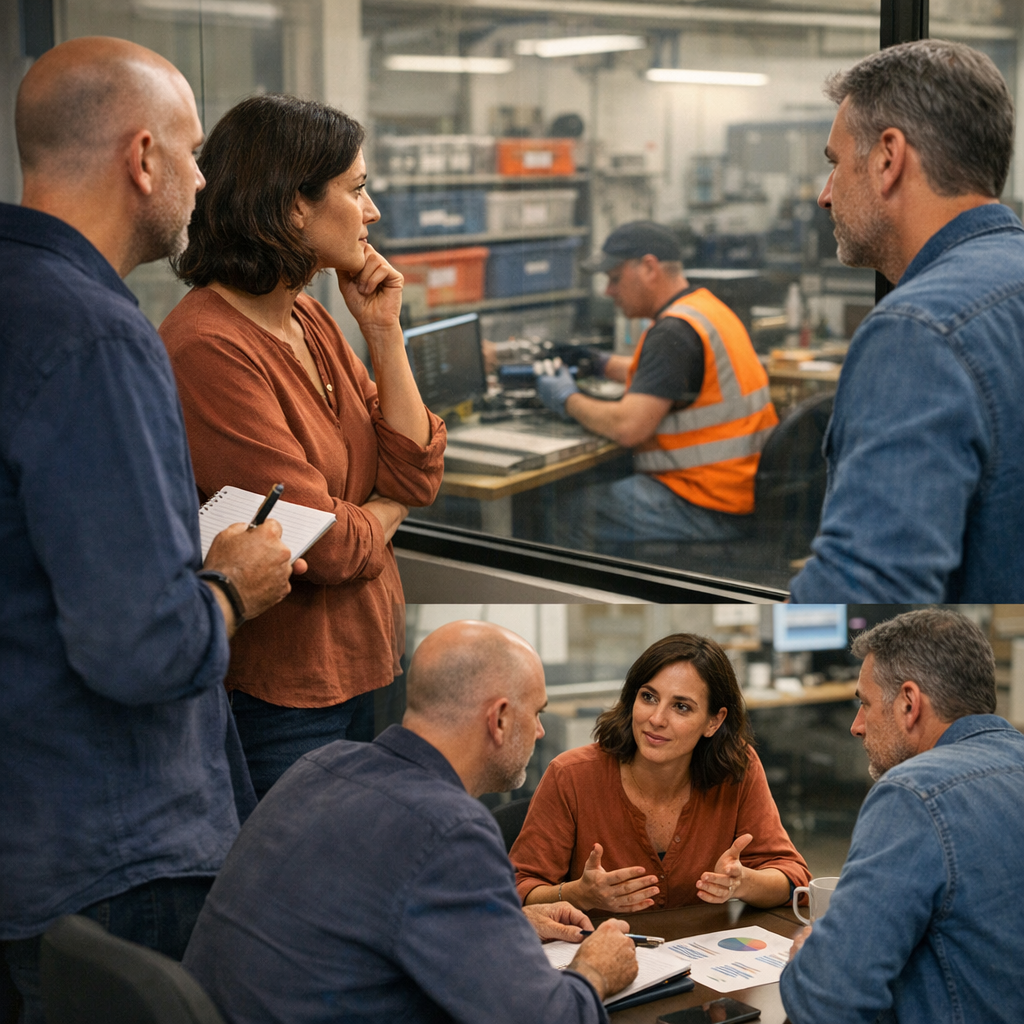
Here’s the deal—observing isn’t about blame. It’s about understanding the systems that shape our teams’ efforts. When you go in with a mindset of exploration and curiosity, rather than one of surveillance, you create a safe space for dialogue. After your observation, engage with the team and ask, “What makes this process harder than it needs to be?” You’ll be amazed at the conversations that unfold. This gentle inquiry can lead to profound insights, where your team might start to see things they’d previously overlooked.
I challenge you to take 20 minutes today to observe a specific process in your workplace. Resist the urge to jump in and fix things immediately. Instead, just observe. Listen. Measure. You might uncover something that could streamline your team’s efforts significantly.
Your Next Steps
After you’ve gained that firsthand insight, share your experiences. Bring your team together, and have an open discussion about the process. Ask questions and encourage them to share their views. You’ll not only strengthen your team’s camaraderie but also spark a culture of continuous improvement. Who knows what innovative ideas will surface? Imagine transforming a typical process into one that’s seamless and efficient, all because you dared to step out of your comfort zone.
So, what could you discover by observing a process today? Dive in and find out! You might just stumble upon the next big improvement opportunity—or at the very least, a deeper appreciation for the hard work your team puts in every day.
Remember, it’s not about sitting back and finding fault; it’s about empowering yourself and your team with the insights you gain. Let’s get off the sidelines, shall we?
Have you ever witnessed a process in action and thought, “Why on earth do we do it that way?” Share your stories in the comments below!
#CitySkills #ProcessImprovement #Leadership