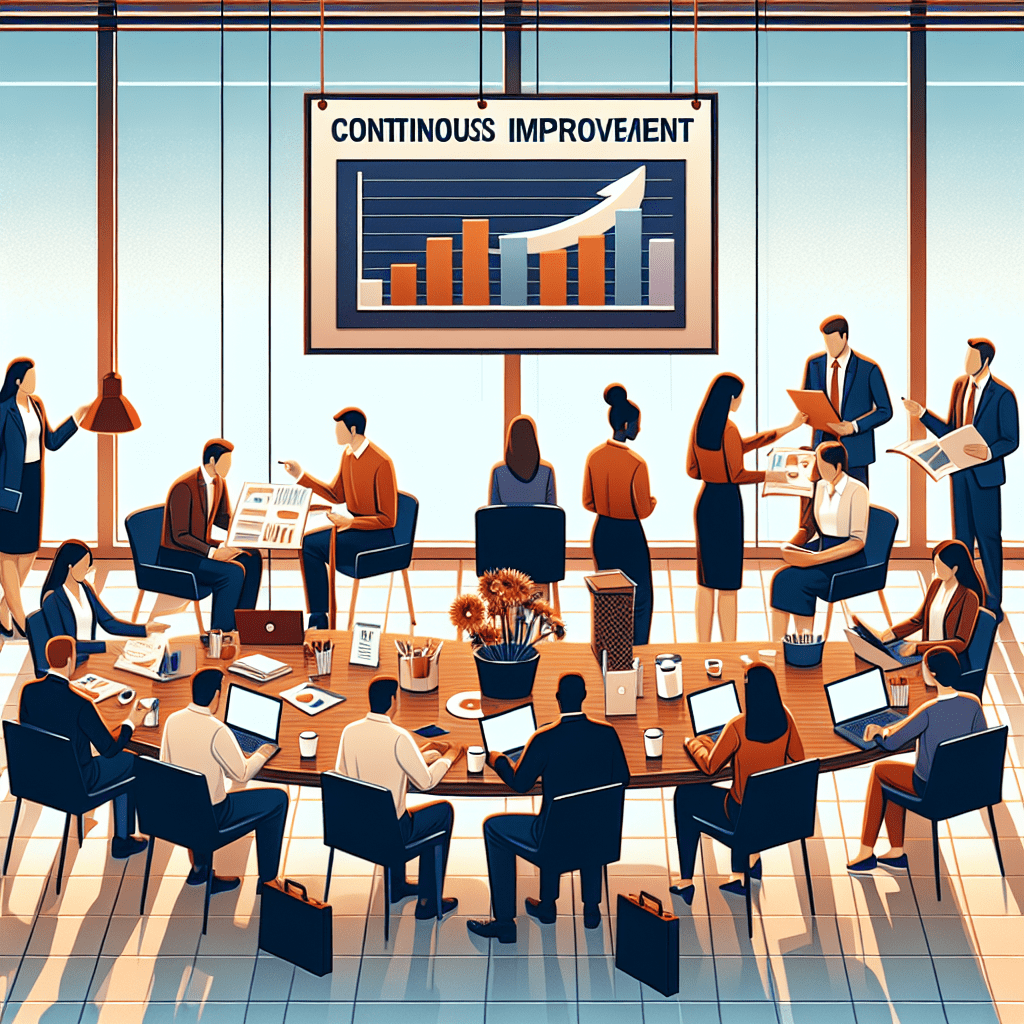
Translating Continuous Improvement: Bridging the Gap to Executive Understanding

Is Continuous Improvement Broken? Not Quite—It Just Needs Better Translation
Continuous Improvement (CI) isn’t a flawed concept; it’s more like a misunderstood masterpiece waiting for the right interpreter. Picture this: you’ve got a brilliant CI programme that’s continuously churning out positive changes. Yet somehow, many Continuous Improvement programmes struggle to secure sustained investment. Why is that? Well, it seems the real issue lies in how we articulate its value. Let’s face it, the conversation often misses the essence of what CI can bring to the table.
Understanding the Executive Mindset
Now, if you speak with most executives, what do they seek? Sure, they want the best return on investment (ROI), but it’s not just about numbers. Behind every statistic, there’s a desire for assurance that these initiatives will yield tangible benefits to the business. Many organisations have delivered successful CI programmes, yet still struggle to secure future investment. This disconnect makes you wonder: how do we bridge the gap between CI value and executive comprehension?
During a recent chat with a working group from City Skills, we dug deep into this conundrum. The focus turned to three pivotal areas:
- The importance of ROI
- The value of soft benefits
- The danger of short-term thinking
The Real ROI of Continuous Improvement
Let’s kick off with ROI. Of course, numbers matter, but we need to step back and re-evaluate what we consider a “return.” CI programmes often generate far-reaching benefits that aren’t always quantified immediately. Think about improvements in employee morale or customer satisfaction. While these outcomes may be difficult to quantify, they still create significant value for organisations. By broadening our measurements of success, we can build a more compelling business case for CI.
Soft benefits, those qualitative gains, are where the magic truly lies. It’s easy to overlook them in favour of hard data, but they’re crucial. A supportive company culture, enhanced collaboration, and innovative thinking don’t always land on a balance sheet, yet they fuel the growth of any business. So, let’s ensure we articulate these softer aspects clearly. They deserve a spotlight, don’t you think?
Short-Term Gains vs Long-Term Sustainability
Let’s talk about short-term thinking. In today’s fast-paced business environment, it can be tempting to go for quick wins. However, if we’re not careful, that mindset can undermine long-term achievements. CI is a journey, not a sprint. When we overlook the long-term gains for the sake of immediate results, we risk jeopardising the very improvements we strive to make.
To drive home the importance of long-term thinking, I recall my early days with Virgin. We didn’t always chase the latest trend; rather, we invested in relationships and sustainable practices that created lasting value. This strategy not only benefited our business but also enriched our communities. So, let’s encourage a shift in perspective. Think beyond the next quarterly report and look at what truly matters over time.
Bridging the Communication Gap
Continuous Improvement professionals are often highly skilled at improving processes, reducing waste and solving operational problems. But influencing senior stakeholders requires a different skill set. It means translating operational improvements into outcomes that matter to decision-makers, whether that’s productivity, customer experience, employee engagement or long-term organisational resilience.
So, how do we ensure our CI efforts resonate with decision-makers and reflect true business impact? It starts with communication. Here’s a thought: what if we focused on storytelling? Instead of spitting out figures, we share stories of actual people – the team members who’ve grown through their CI involvement, customers who’ve enjoyed improved services, or communities that’ve benefitted from enhanced practices. This human touch brings life to data, making it all the more relatable.
We need to foster an engaging dialogue around CI. So I pose this question: what strategies have you found effective in communicating the value of Continuous Improvement? Each insight can help the entire community grow.
In Conclusion
Continuous Improvement isn’t broken. It just needs better translation. By emphasising the broader benefits, fostering long-term thinking, and communicating our stories effectively, we can secure the necessary buy-in from leaders and create a lasting impact. So how will you start translating the story of your CI efforts to captivate those crucial stakeholders? Let’s keep this conversation going.
Cheers to a future where CI programmes shine in the limelight they deserve!