

Embracing the Youth Movement: The Future of Education

The Future of Education: Why We Must Adapt to the Youth Movement
Let’s face it: the education system as we know it is undergoing a radical transformation. It’s not just the introduction of shiny new technologies or the occasional curriculum update. We’re witnessing a fundamental change that prioritises youth engagement in ways we’ve never seen before. This shift is not a fleeting trend; it’s the dawn of an era where understanding and catering to young learners is more crucial than ever. And if we’re not paying attention, we might just find ourselves left behind.
Understanding the New Landscape
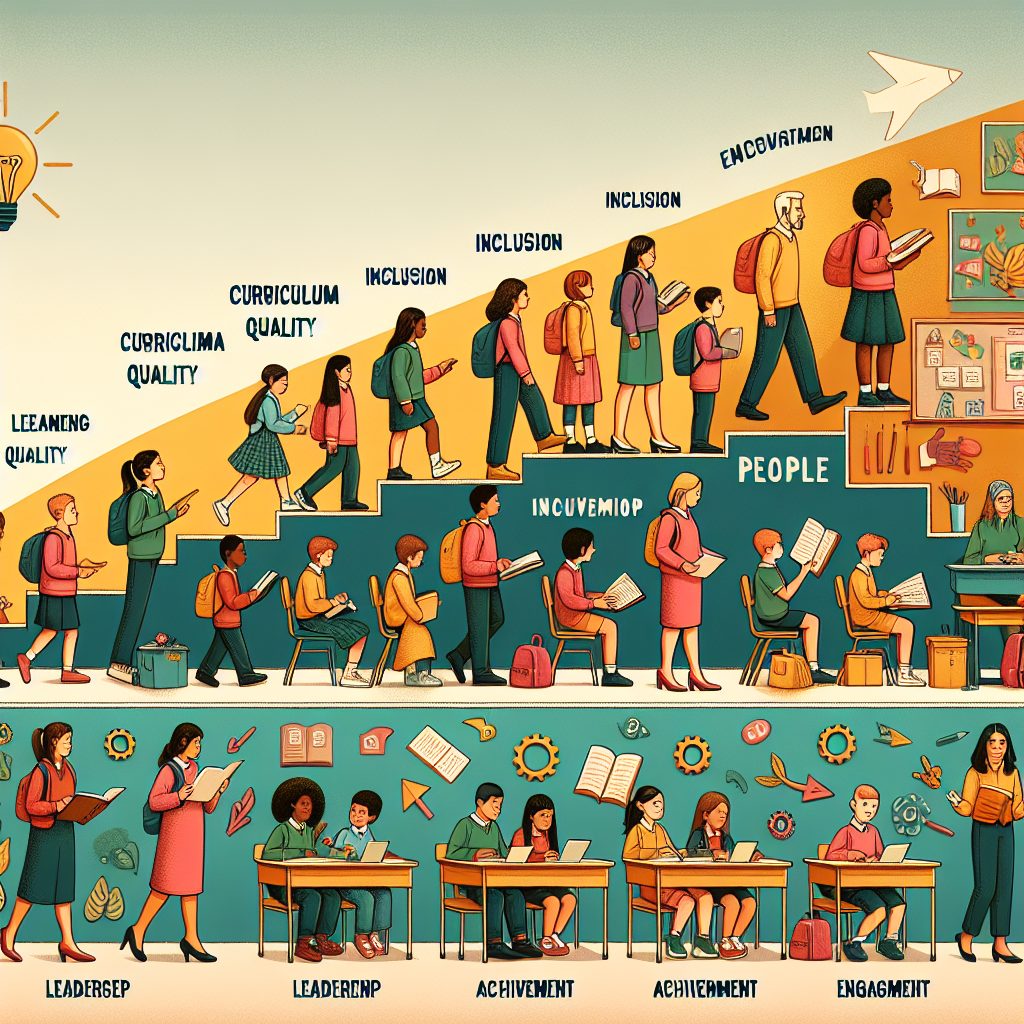
So, what does this new landscape look like? The education sector is evolving. Young people are taking the reins on their learning experiences, making it essential for us to grasp their expectations. They aren’t just passive recipients of information; they’re active participants, demanding a say in what and how they learn. This is a thrilling challenge but also one we must tackle head-on.
At City Skills, we’ve noticed this shift first-hand. The enthusiasm and energy young people bring when given a voice in their education is inspiring. They have a clear vision of what they want from their learning journeys, and it’s our job to listen and adapt. Fostering an environment where their ideas thrive will not only keep them engaged but also enhance their overall educational outcomes.
Adapting Programmes for Young Learners
To really make a difference, we must tailor our programmes to meet the specific needs and aspirations of these young minds. A one-size-fits-all approach is long gone, and rightly so. Individuality is the key. We should focus on creating learning pathways that are flexible and varied, allowing students to pursue their interests while building essential skills.
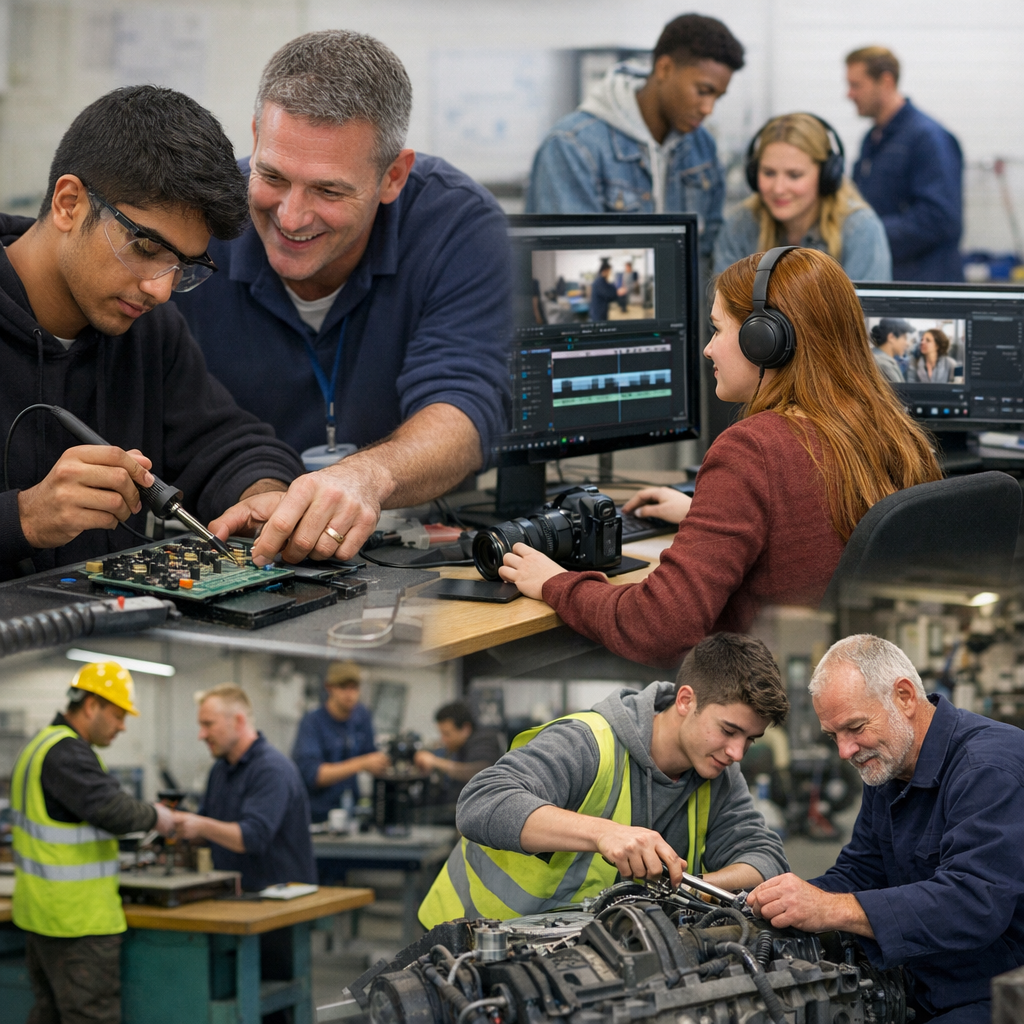
This means incorporating real-world experiences, such as internships or community projects that resonate with students. For instance, this year we introduced a mentorship programme where students can connect with industry leaders. The impact is evident — students feel empowered, and their passion for learning ignites. We’re not only teaching but also inspiring a generation eager to break boundaries.
Collaboration and Innovation: The Heart of Progress
But let’s not stop at adapting our programmes; let’s collaborate and innovate! Sharing ideas and strategies within our community can drive impactful change. Connecting with like-minded educators, industry professionals, and even the students themselves can fuel creativity and spark new solutions.
Imagine hosting workshops where students and educators brainstorm together. This collaborative spirit fosters a sense of ownership and belonging among learners. They see their feedback valued, and it strengthens our community in the process. After all, we’re all in this together, right? The more we engage with one another, the more we learn.
The Road Ahead: Our Collective Responsibility
As we journey forward, it’s our responsibility to ensure we’re leading this transition at City Skills. We must create programmes that don’t just tick boxes but empower the next generation. It may seem daunting at times, but with every challenge comes an opportunity for growth. I’ve found this personally rewarding. Seeing a young person thrive, having found their passion, reminds me why we do what we do.
So, I ask you, how are you preparing to embrace this pivot to youth in your programmes? Whether you’re an educator, a parent, or simply someone passionate about shaping the future, your input matters.
Let’s celebrate the changes ahead while actively participating in this exciting new journey. The future of education is bright, and together, we can ensure it’s a future where young people not only thrive but also lead the way.
What are your thoughts? Share your experiences with adapting to this new youth-centric focus, and let’s keep the conversation going!
Until next time, let’s keep pushing the boundaries of education together.



Responses