

Bridging the Gap: Uniting Soft Skills and Lean Tools for Enhanced Performance

Soft Skills vs Lean Tools: It’s All About Unity
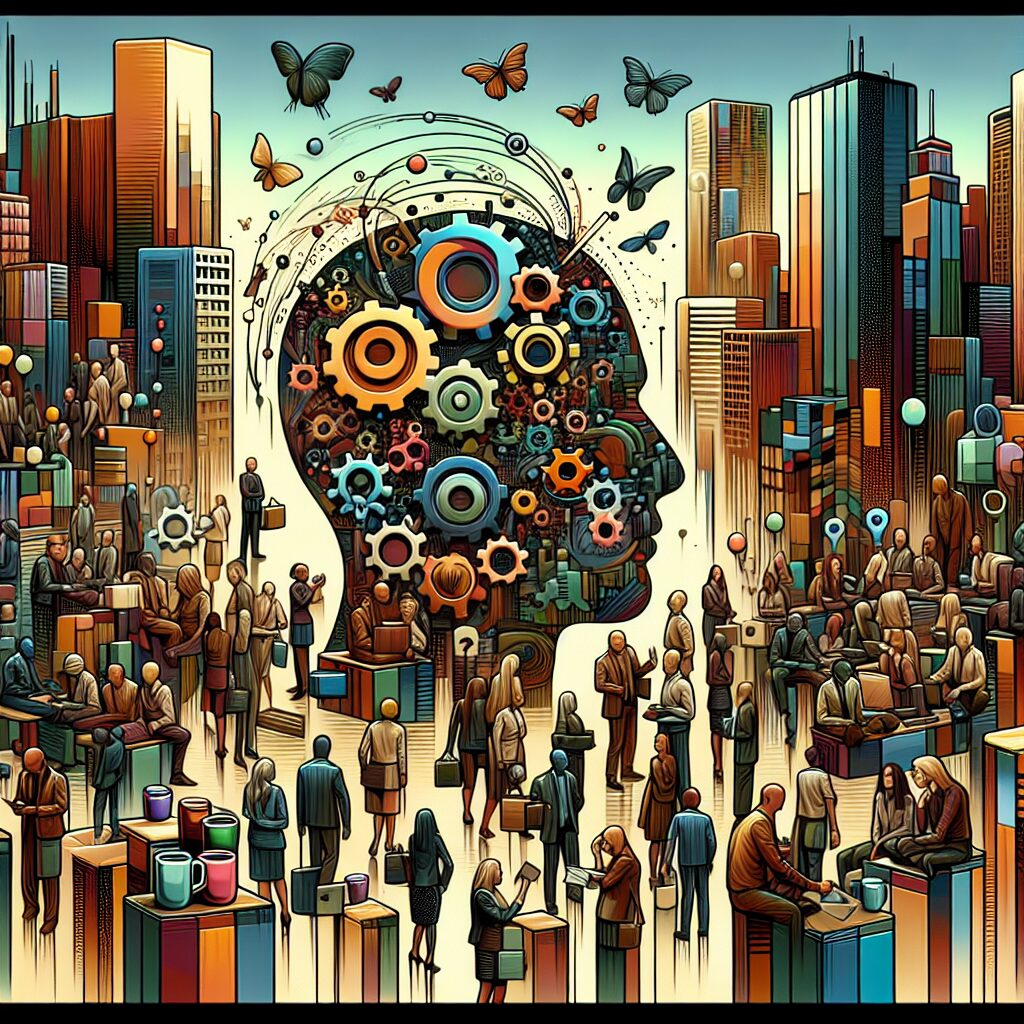
Let’s get straight to the point: if you’re still thinking of soft skills and Lean tools as separate entities in your organisation, it’s time for a wake-up call. Trust me, I’ve been around the block enough times to know that these two worlds are not just interconnected; they’re essential partners in boosting performance. Think of them as two sides of the same shiny coin.
Why Unity Matters
At City Skills, we’ve witnessed firsthand how nurturing individual growth can directly impact our key performance indicators. When team members feel valued and develop their soft skills, they’re not just ticking boxes on a training form; they’re adapting, innovating, and ultimately enhancing the whole organisation.
Now, you might be asking, “So what’s the big deal?” Well, let me break it down for you:
- Developing people: Employees who feel empowered are more capable of adapting to new challenges and thinking outside the box.
- Strong communication: Open lines of communication lead to team collaboration, reducing errors and enhancing efficiency.
- Empowered teams: When teams are confident and skilled, they drive continuous improvement, impacting changeovers and minimising waste.
By blending these elements, we create an environment where everyone thrives. And the best part? The numbers will undoubtedly reflect the investments we make in our people. When was the last time you truly considered how interlinked these skills are?
Integrating Soft Skills with Lean Tools
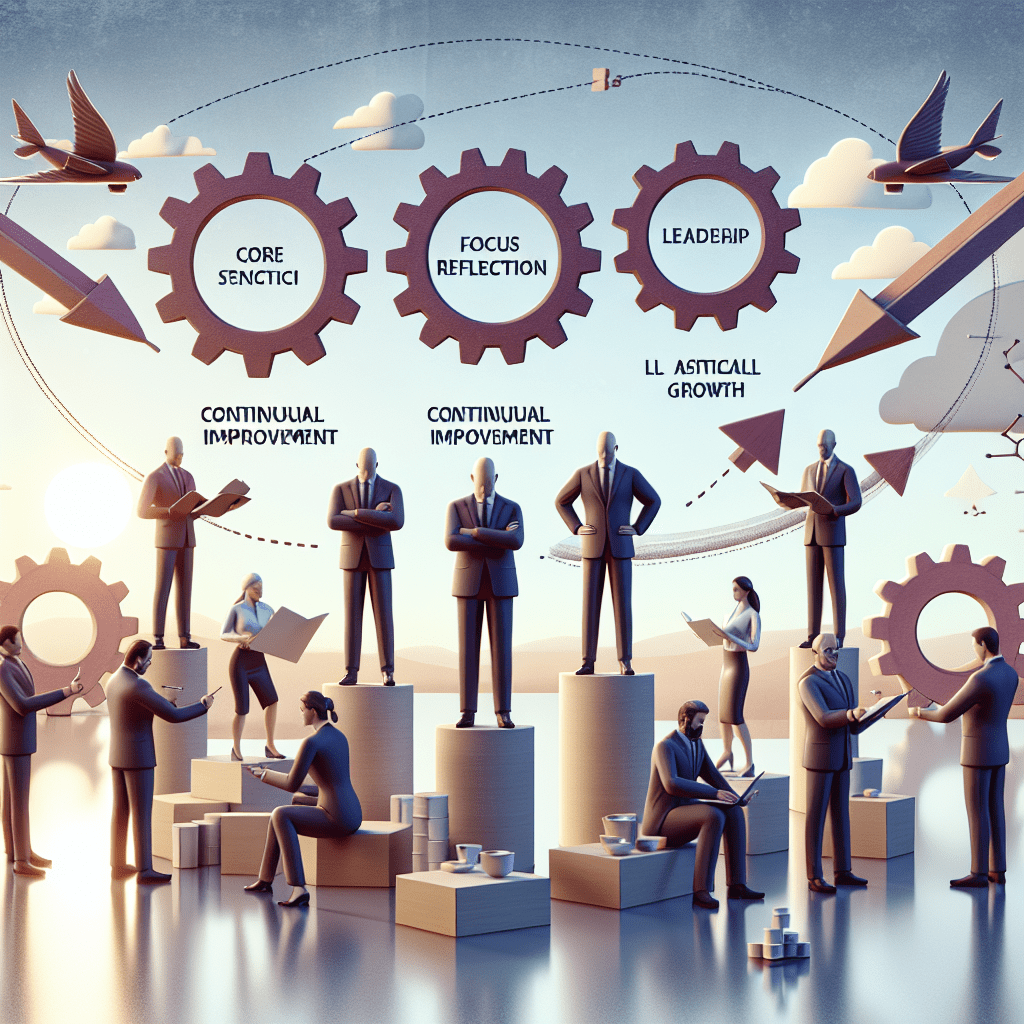
Here’s an interesting thought: what if we treated Lean tools not just as techniques, but as opportunities to cultivate soft skills? Imagine a scenario in which a team applies Kaizen principles while simultaneously learning to communicate more effectively. The synergy between improving processes and enhancing interpersonal skills could be staggering.
When I think back to my early days in the business world, I remember getting caught up in the numbers, the efficiency charts, and the Lean tools. But it was during a team-building session that I realised how crucial understanding and empathy are in making those tools work. After all, it’s the people who implement the processes. If they’re not on board, even the best tools can fall flat.
Are We Ready for Change?
Now, let’s get real. Are we ready to break down these barriers? Are we ready to embrace a holistic approach to organisational performance? Because if we want to create workplaces that thrive, we can’t ignore the human element. Soft skills aren’t just a ‘nice to have’; they’re the backbone of any successful Lean initiative.
This is where leadership becomes vital. As leaders, it’s our responsibility to foster an environment where soft skills are just as important as technical expertise. Regular training sessions, team workshops, or simple check-ins can make a world of difference. Are we making that commitment?
Final Thoughts
As I reflect on my journey, it’s clear that success is not just about efficiency metrics but also about nurturing relationships and creating cohesive teams. So here’s my question for you: how can you integrate soft skills into your Lean practices today? Whether it’s through mentoring, collaboration, or training, the possibilities are endless.
Let’s start the conversation. More than ever, our organisations need unity between soft skills and Lean tools. Together, they can create a powerful force for change, driving us toward a future built on both efficiency and engagement. What steps will you take to bridge that gap?
Remember, a united front is where genuine progress begins. Cheers!



Responses