Harnessing Safety for Sustainable Growth: Lessons from GE Aerospace

Safety and Growth Don’t Have to be at Odds
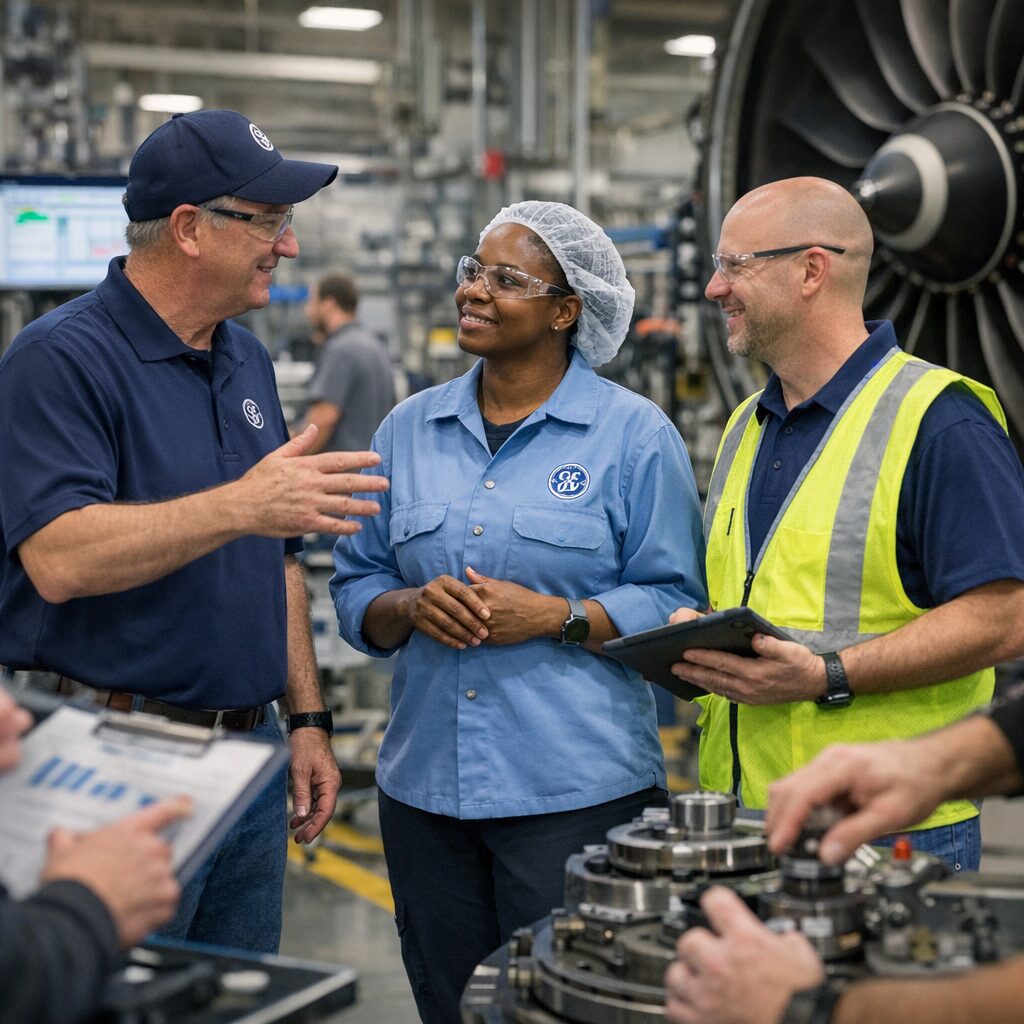
Now here’s a bold statement for you: safety and growth can actually fuel each other. It might seem a bit out there, but let me tell you about a shining example that proves my point. Look to GE Aerospace’s Greenville plant, where they not only celebrated almost four years without a single safety incident but also increased their workforce and output by a staggering 35%. So how did they pull this off? Let’s dive into their approach and, hopefully, we’ll all take something valuable away from it.
Gemba Walks: Leaders on the Front Line
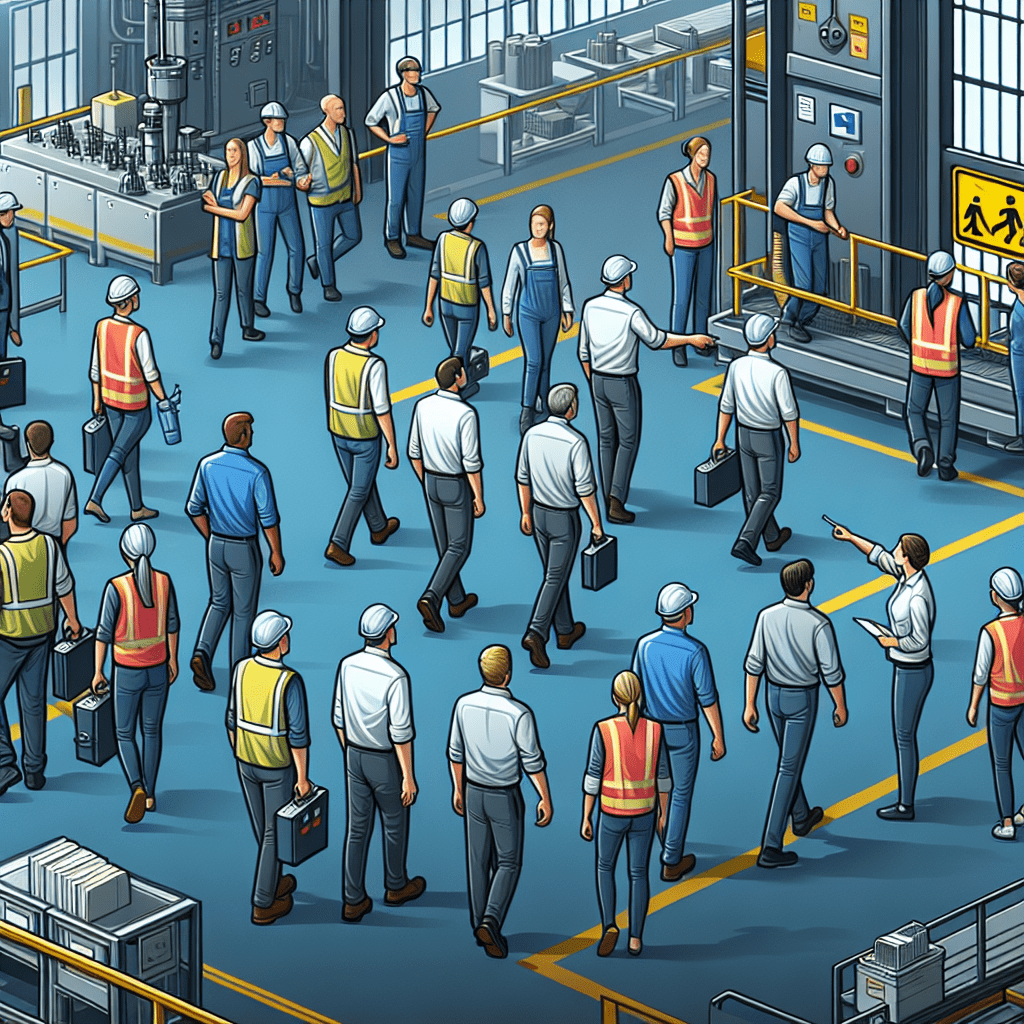
The first key ingredient in their recipe for success is what they call “Gemba walks”. No, it’s not a trendy new dance move. Gemba is a Japanese term meaning “the real place.” Here, it refers to leaders getting out from behind their desks and into the workspace. They aren’t tucked away in meetings; instead, they’re on the factory floor, engaging with operators and gaining first-hand insights.
This practice fosters a culture of openness and trust. When leaders are present, they show their commitment to wellbeing, and workers feel more valued. Additionally, this connection helps management understand what’s really going on. What better way to spot potential issues before they escalate than being right where the action happens?
Focusing on Leading Indicators
Next up is the concept of leading indicators. The plant leader had a sharp insight: waiting until an injury occurs is far too late to react. That’s like waiting for a storm before looking for shelter. Instead, the team prioritises identifying and mitigating risks ahead of time. This proactive approach transforms the mindset from reactive to preventive.
By tracking metrics that signal potential safety issues, GE Aerospace doesn’t just respond to accidents; they work tirelessly to prevent them. It’s about looking ahead and learning from data rather than waiting for bad news to shake us awake. This method has a ripple effect — when staff see their leaders making safety a priority, they’re more likely to take it seriously. It’s a win-win scenario.
Standardisation: Consistency is Crucial
Another vital aspect is standardisation. The plant operates with a consistent framework, meaning that safety protocols are clear and accessible. Even new hires know where to find information on hazards and how to navigate them. This eliminates confusion, which is often a major contributor to incidents.
When safety becomes part of the daily routine rather than a box-ticking exercise, that mindset breeds a culture of care. It’s simply part of the job. Think about it — when everyone knows the safety procedures and the rationale behind them, the entire team feels empowered. It’s not just about feeling protected; it’s about being proactive in securing a safer work environment.
Beyond Physical Safety: Embracing Psychological Safety
Now let’s not forget that safety isn’t solely about physical hazards. At GE Aerospace, there’s a significant emphasis on psychological safety as well. Employees must feel confident speaking up about their concerns. When team members can express their thoughts without fear, it allows managers to address issues before they escalate into serious problems.
Creating a workplace where people feel safe to voice their worries can be a game changer. Psychological safety encourages open dialogue and collaboration, which ultimately lays a solid foundation for growth. After all, if people are worried about speaking out, innovation and improvement are going to be stifled. This element is often overlooked in safety discussions but is vital for any team aiming for growth.
Conclusion: The Path Forward
At City Skills, we believe fiercely that fostering a safe environment can indeed drive remarkable growth. Just like GE Aerospace, it boils down to a blend of leadership presence, proactive monitoring of the right metrics, and embedding safety into the fabric of the culture. When safety becomes the standard rather than an exception, remarkable things can happen.
So I ask you, how are you ensuring safety remains a priority in your operations while also pushing for growth? Let’s start a conversation around how we can balance these two crucial elements in our workplaces and share insights that drive us all forward.
Remember, growth doesn’t have to come at the cost of safety. Instead, let’s make them partners on the journey ahead.