The Power of Embracing Feedback for Team Growth

Embracing Feedback: The Unsung Hero of Growth
Let’s be honest. Embracing feedback isn’t just a nice-to-have; it’s essential for growth. In today’s fast-paced world, businesses that ignore this golden nugget of insight are missing out on something truly priceless. It’s like leaving a treasure chest unopened right under your nose.
At City Skills, we’ve seen the transformative magic that happens when organisations foster open dialogue. It’s not just about improving individual performance; it’s about shifting the entire team dynamic. So, why should you care about cultivating a feedback-friendly environment? Grab a cuppa and let’s dive in.
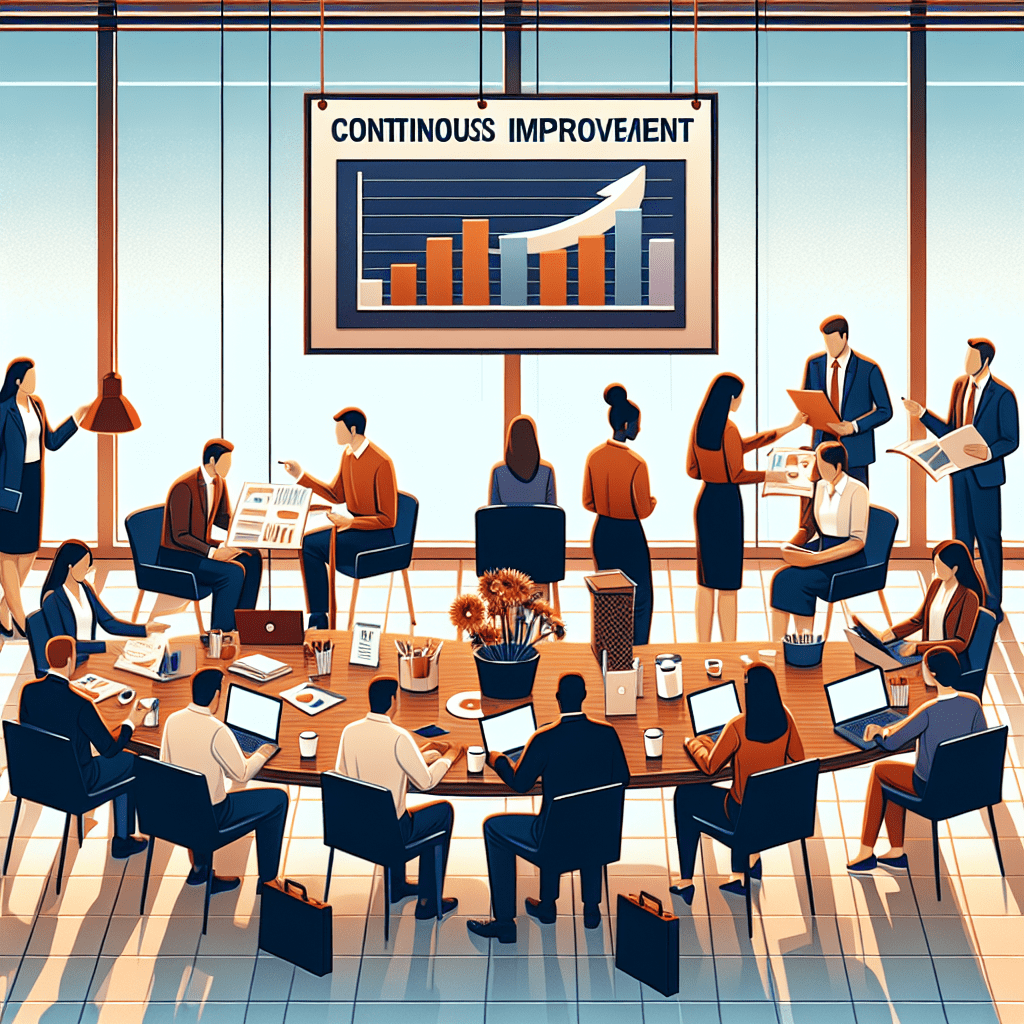
1. Feedback Drives Continuous Improvement
First off, let’s bust the myth that feedback equals criticism. Feedback is far from a negative experience; it’s a catalyst for development. Think of it as your personal GPS for growth. Every bit of constructive feedback points you in the right direction and helps you navigate through challenges. When teams embrace feedback, they evolve, adapt, and ultimately improve.
Imagine this: a team that regularly shares insights and experiences allows everyone to learn from one another’s successes and mistakes. It becomes a hub of continuous improvement, where everyone feels empowered to take initiative and grow. The result? A more skilled, agile workforce that thrives on collaboration.
2. Fostering Collaboration and Engagement
Have you ever been in a meeting where only a handful of voices were heard? It’s rather dull, isn’t it? When team members feel their voices are valued, they’re more likely to engage and innovate. Feedback creates an environment where everyone is not just present but also actively contributing.
This collaboration is crucial, especially when tackling complex problems. Listening to diverse perspectives leads to more creative solutions. It fosters a sense of ownership, where everyone feels they have a stake in the outcome of projects. When every team member knows their input matters, they’re more likely to go the extra mile. It’s a win-win scenario!
3. Building Trust Within the Team
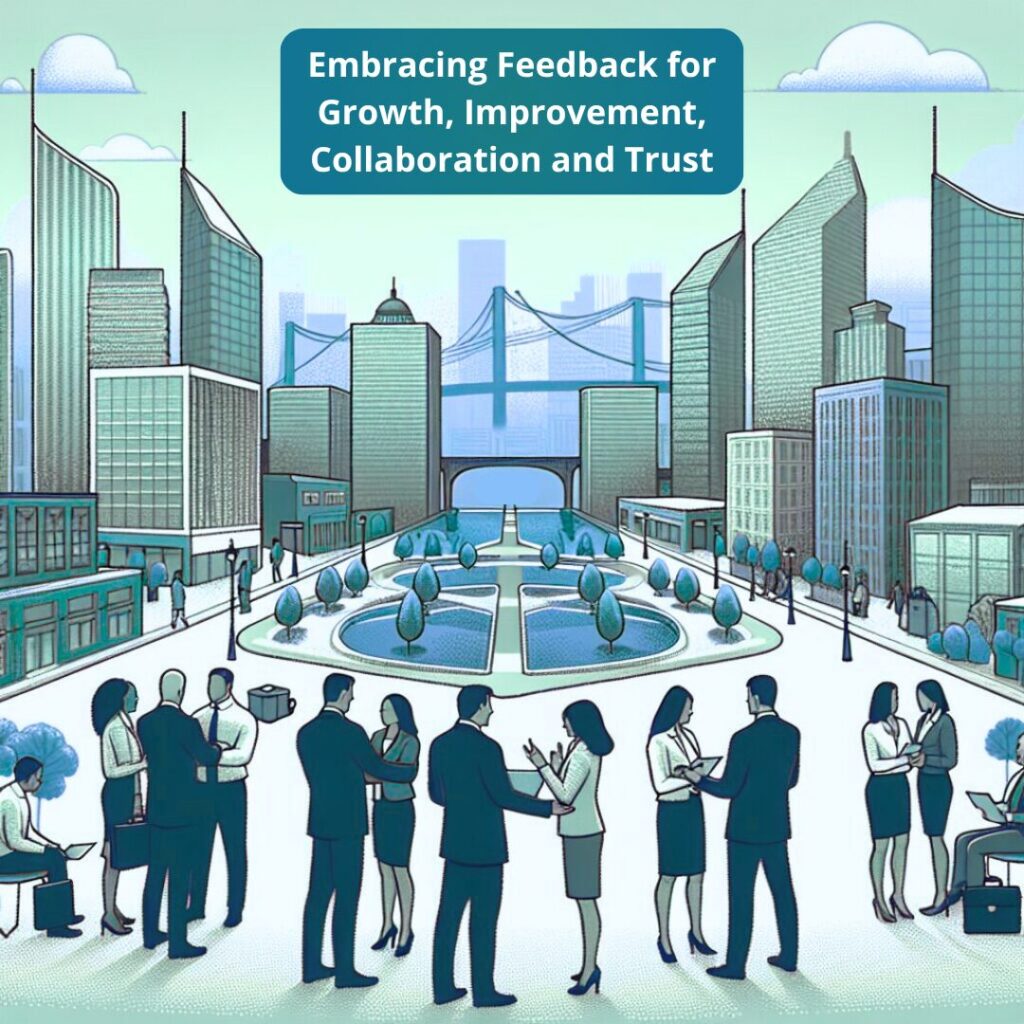
Transparency is a cornerstone of any successful team. When feedback is shared openly, it builds trust among colleagues. Team members feel more comfortable sharing their thoughts and ideas when they know there’s a safe space for dialogue. This transparency leads to stronger relationships and a more cohesive team.
Trust also nurtures resilience. In a supportive environment, people are less likely to crumble under pressure. Instead, they rally together, offering support through feedback. It’s this kind of trust that can transform a group of individuals into a cohesive unit, ready to tackle any challenge that comes their way.
Why Are You Hesitating?
So, let’s ask the tough question: Are you cultivating a culture that welcomes feedback? If not, what’s holding you back? It’s easy to get caught in the trap of fearing the unknown. But, taking that first step towards embracing feedback can be daunting yet incredibly rewarding.
Here’s a little personal insight: I’ve sometimes shied away from giving feedback, fearing I might offend someone. It wasn’t until I realised that sharing honest, constructive feedback is an act of kindness that I began to see the real value in it. Your insights could make all the difference in someone’s professional journey.
Wrapping Up: The Importance of Feedback Culture
Creating a feedback-friendly culture is not an overnight task; it takes time, patience, and commitment. But the payoff is worth it. When you foster an environment where feedback is encouraged, you’re not just enhancing individual performance; you’re driving your entire team towards success. Remember, feedback isn’t just something you give; it’s also something you receive, welcome, and act upon.
So, let’s get the conversation going. How can you start fostering a culture of feedback in your workplace today? Your thoughts could spark new beginnings and drive meaningful change.
Join the conversation using #CitySkills #FeedbackCulture #ContinuousImprovement.